
In partnership with

Today, in the Upworthiest...
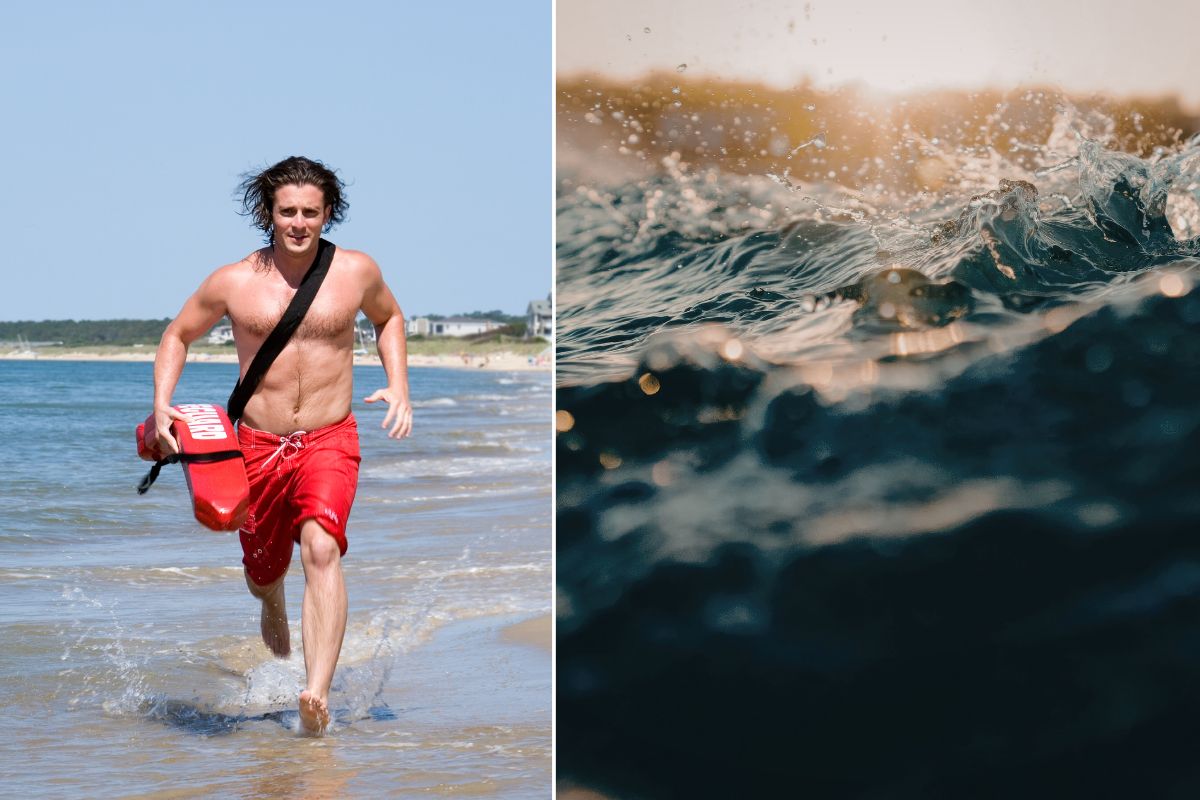 | ||
16-year-old lifeguard’s rescue skills stun as he pulls drowning child from violent waves | ||
The teen, Ryder, put on a beach lifeguard masterclass. | ||
By Evan Porter | ||
Lifeguarding is a popular summer job for teenagers but not everyone is cut out for it. It can be mentally grueling work, involving long days of scanning, rapt attention, and staying ready for anything. | ||
When danger strikes at the beach, lifeguards have to be prepared with incredible physical fitness, swimming skills, and rigorous training to combat waves that can turn deadly in an instant. | ||
One such moment was recently captured in footage that’s gone viral, and it’s one of the most intense ocean rescues you’ll ever see just feet from the shoreline. | ||
|
Privacy-first email. Built for real protection.

Proton Mail offers what others won’t:
End-to-end encryption by default
Zero access to your data
Open-source and independently audited
Based in Switzerland with strong privacy laws
Free to start, no ads
We don’t scan your emails. We don’t sell your data. And we don’t make you dig through settings to find basic security. Proton is built for people who want control, not compromise.
Simple, secure, and free.
 | ||
A newspaper ad for The WB's fall 1995 Sunday night lineup and a TV promo. | ||
A 1995 Sunday TV show lineup is going viral because nobody believes it actually existed | ||
The WB’s first-ever fall Sunday night lineup isn’t fake; it just feels that way. | ||
By Patrick Hamilton | ||
The year was 1995. The internet as you know it today was still in its infancy. But if you flipped through TV Guide or your local newspaper, you might have stumbled across an ad for The WB’s inaugural Sunday night fall lineup. | ||
For users on X, this classic print ad is frying more than a few brain cells. It features a grid of smiling stars hawking sitcoms that most people have never heard of. And after racking up more than 150K views, many in the X thread insist there’s no way this marketing poster is real. It must be AI-generated. | ||
|
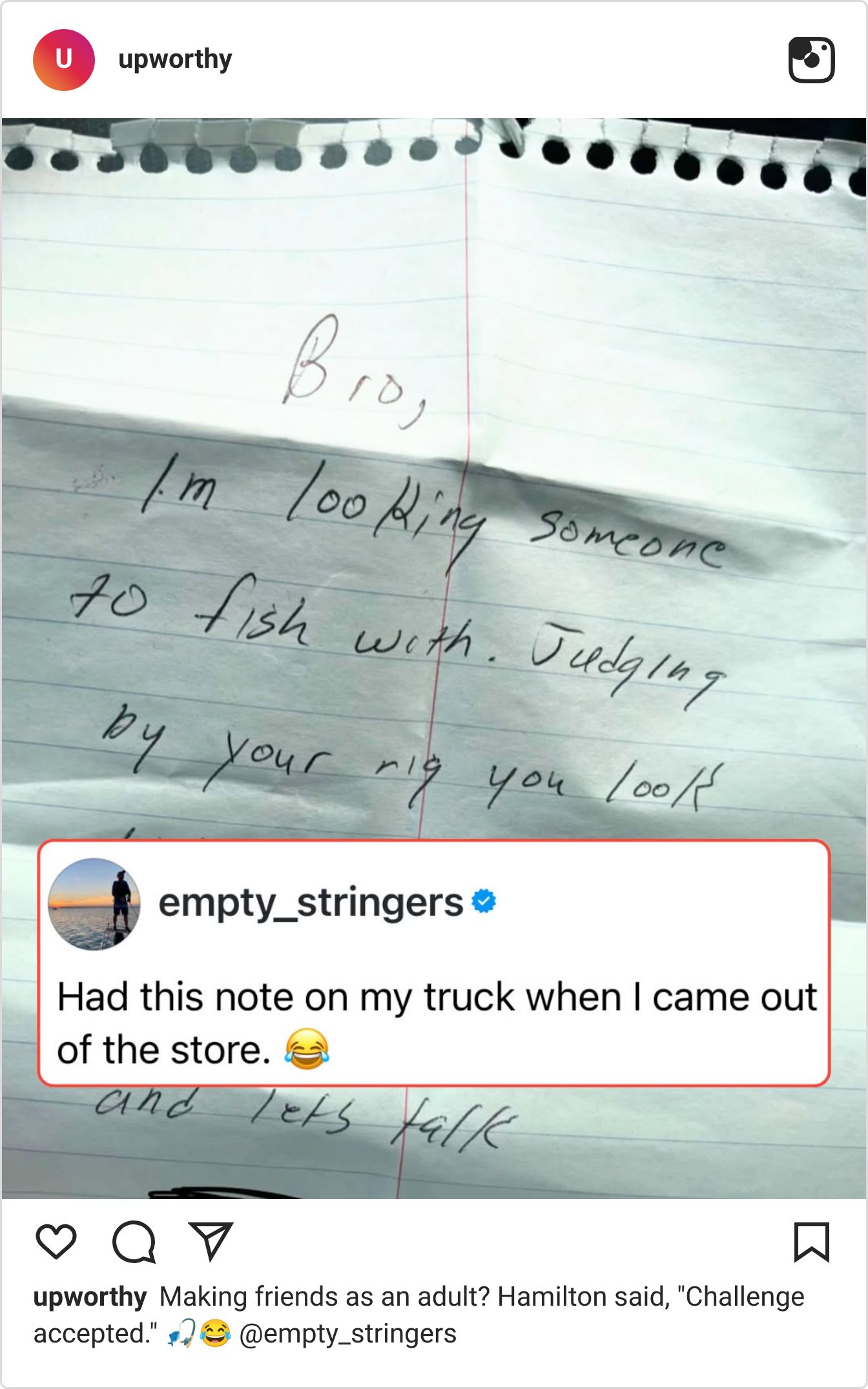
Making friends as an adult? Hamilton said, "Challenge accepted." 🎣😂
 | ||
According to a dialect map, words are differently pronounced based on region. | ||
Linguist creates a dialect map that can tell where someone grew up based on just five words | ||
Test yourself and ask, “What a merry occasion it will be when we marry!” | ||
By Cecily Knobler | ||
Linguist Rick Aschmann is incredibly detailed when it comes to hearing, dissecting, and detailing dialects. He and his wife have worked as Christian missionaries in many regions, including Ecuador where, according to their website, they have helped translate the Bible into the Quichua Indian language. So when he created the map of North American English Dialects, Based on Pronunciation Patterns, it was with great complexity and care. | ||
He shared on his site, “This is just a hobby of mine, that I thought might be interesting to a lot of people. Some people collect stamps. Others collect coins. I collect dialects.” And he most certainly does. In fact, his “dialect map” is so intricate, it might be rather confusing to some. | ||
|
An Upworthiest Poll
What's your actual move for making friends as an adult?
Yesterday’s Results
We asked you: How many presents from grandma is too many?
Almost half of you think there’s no such thing as too many presents when its grandkids we’re discussing.
There is no such number. Next question. (49.7%)
Three, and one of them better be socks. (26.6%)
One drum set. Mwahahahaha! (4.6%)
Zero toys, all memories. I'm the gift. (19.1%)
 | ||
He let the weed everyone was fighting take over. It grew into a forest, then died out on its own. | ||
“The key was to leave it well alone, take away the things that stopped the regeneration process and let nature do the hard work.” | ||
By Adam Albright-Hanna | ||
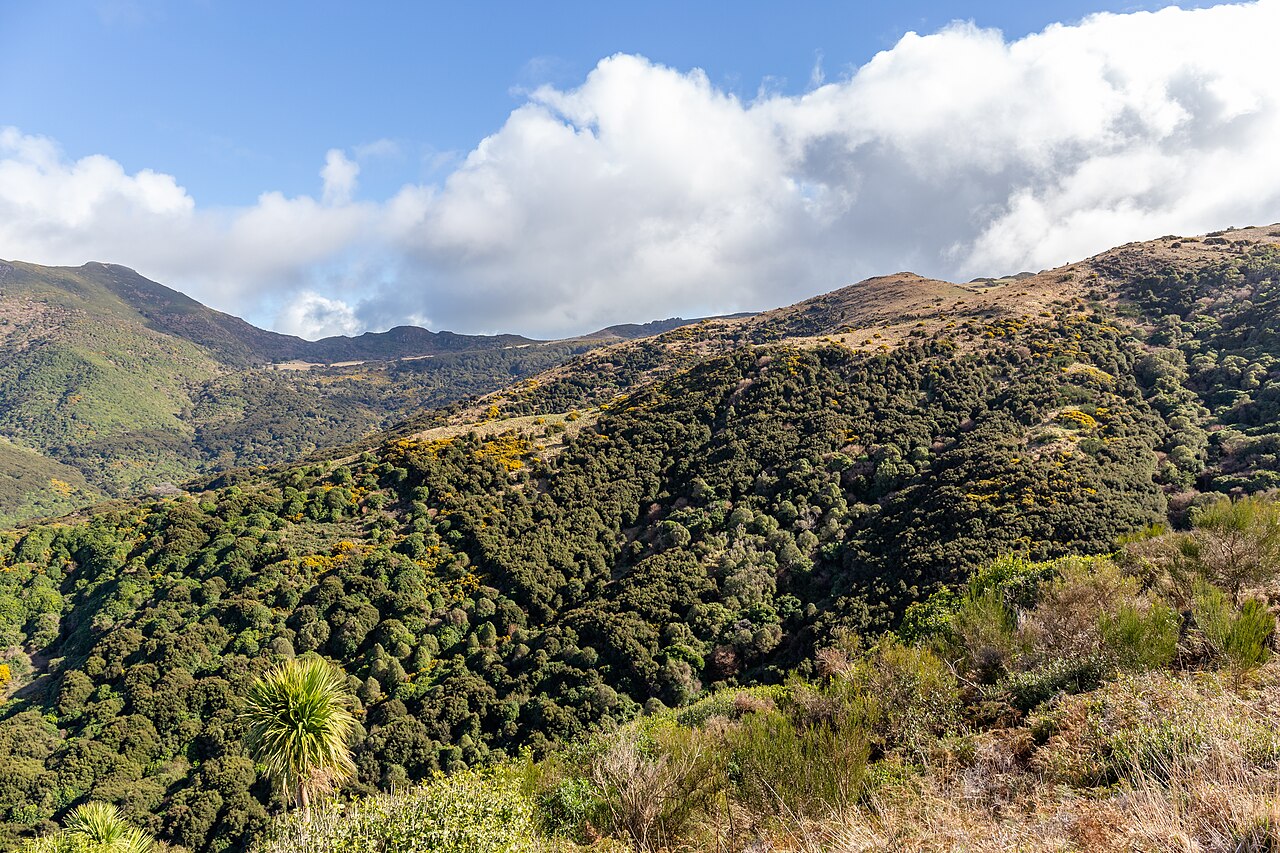
In 1987, a botanist named Hugh Wilson looked at 109 hectares of exhausted hill country on New Zealand’s Banks Peninsula. Most of its old-growth forest had long since been cleared for grazing, and much of what remained was buried under gorse. He proposed doing essentially nothing about it. | ||
Gorse is a spiny European shrub with yellow flowers that New Zealand farmers have spent generations trying to eradicate. They burned it, sprayed it, bulldozed it—and it kept coming back. Wilson’s plan was to stop. Leave it. Let it grow. | ||
The reaction was not warm. As Earth Island Journal recounted, one Banks Peninsula farmer wrote to the local newspaper in the late 1980s that he was “all for preserving the little bits of bush that are here, but as for letting gorse go and turning it into native forest, that’s fools and dreamers stuff.” | ||
|
