

In this issue of The Upworthiest, Emily Shiffer shares eight recipes Dolly Parton loved, the kind she'd want you cooking in her honor. Then, Wendy's '80s sunrooms had a surprisingly practical purpose, a Harvard expert has a "superhero" question that makes you instantly more likable, and a kindergarten teacher is teaching patience with "bored games."
 | ||
Dolly Parton was a "really, really good cook" who shared many recipes with her fans. | ||
8 Dolly Parton recipes celebrating her Southern roots that she’d love you to cook in her memory | ||
“Some of my best songs I came up with while cooking my best food, and vice versa.” | ||
By Emily Shiffer | ||
Dolly Parton was a singer, an actress, and a “really, really good cook.” Parton, who passed away at the age of 80 on August 25, shared her love for food with her fans throughout her career. | ||
Parton told People that growing up, she learned to cook “out of necessity” to help feed her 11 siblings and parents. | ||
“We’d have to climb up on the chairs to peel potatoes, turnips or whatever. We were really helping out when Mama was not well, or in bed with a kid or having a new baby or whatever… so my first [lesson] came out of just really being a necessity of us helping mom as the older girls,” she said. | ||
|
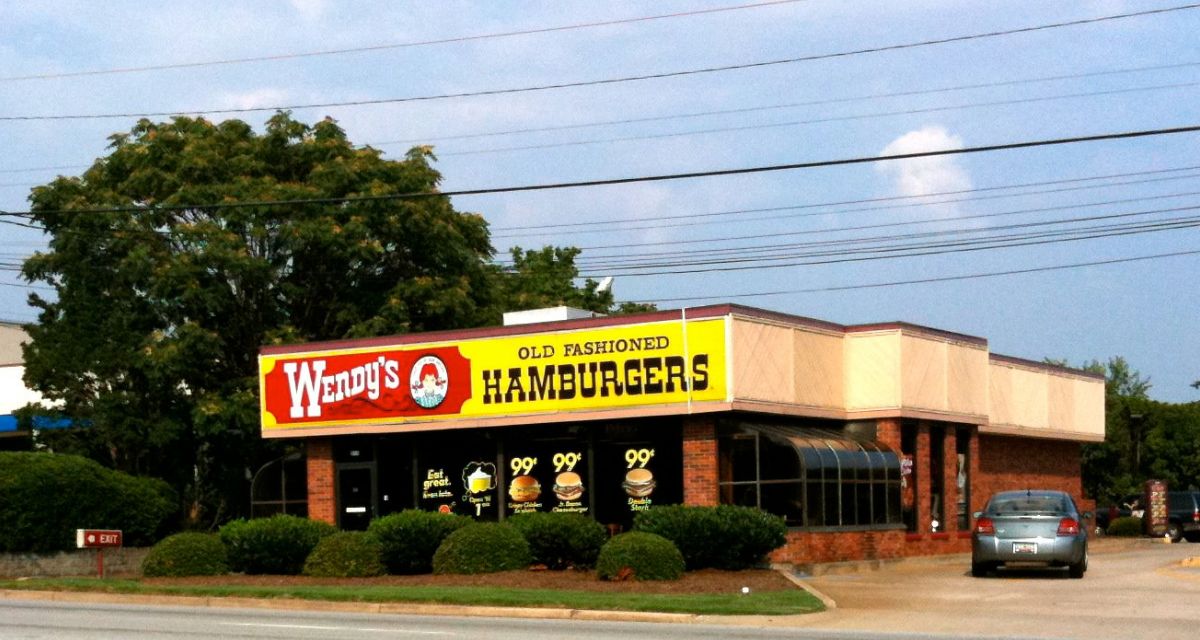 | ||
Wendy’s iconic ’80s sunrooms weren’t just for looks. They served 5 purposes you probably didn’t know. | ||
“This was Wendy’s attempt to go a little more upscale.” | ||
By Emily Shiffer | ||
Wendy’s is one of America’s most beloved fast food chains. In the 1980s, Wendy’s restaurants adopted an iconic architectural design that set them apart from competitors: The glass sunroom (also known as a solarium). | ||
Gen Xers and Millennials grew up enjoying Wendy’s meals in these sun-filled rooms. (Check out this nostalgic list of old-school Wendy’s locations to see if one with a sunroom still exists near you.) | ||
The Wendy’s glass sunroom served more purposes than aesthetics. Researcher Phil Edwards uncovered these purposes and the reasons why Wendy’s eventually did away with glass sunrooms. | ||
|
|
Protect What Makes Us Human
|
|||||||||
Human creativity. Real relationships. Meaningful work. The messy, surprising experiences that make life worth living are not obsolete — they’re irreplaceable. AI was built on generations of human knowledge and creativity. It has enormous potential to serve all of us. But whether it does depends on decisions being made right now, mostly without our input. A small number of powerful companies are racing to build systems that imitate people, automate major life decisions, and concentrate wealth in fewer hands — with little accountability to the rest of us. We believe technology should lift us up, not replace us. Our best chance to protect what makes us human is to unite behind a public mandate calling on lawmakers for a future where:
With one million signatures, we’ll deliver that mandate to key decision makers — lawmakers, government regulators, and tech executives. We have more than 450,000 already. The more people who sign, the harder it becomes for a few to decide humanity’s future without us. |
|||||||||
|
Add Your Name: Tell Lawmakers to Protect What Makes Us Human
|
|||||||||
|


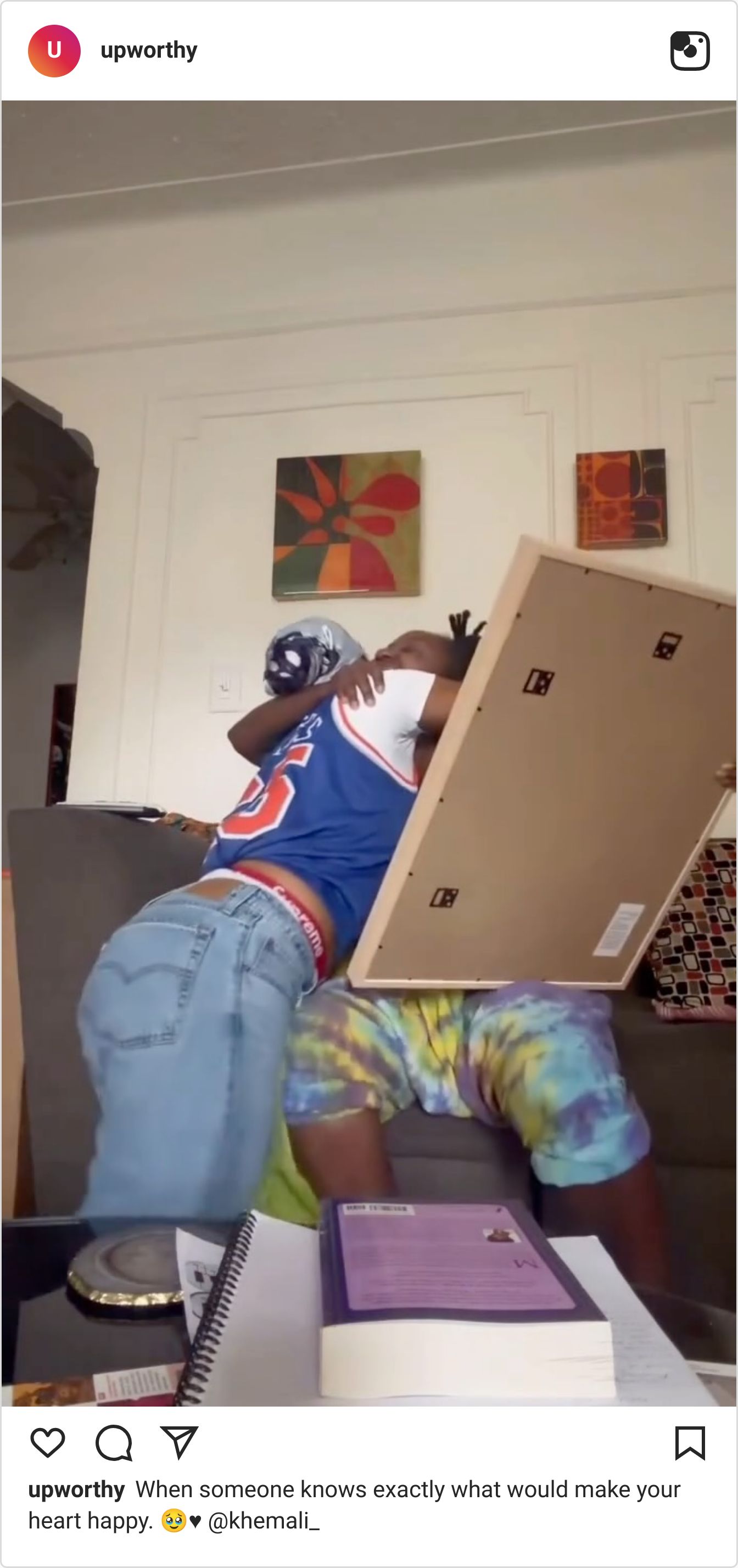
When someone knows exactly what would make your heart happy. 🥹
 | ||
Harvard communications expert reveals the ‘superhero’ question that makes you more likable | ||
It’s great to know the questions people want to be asked. | ||
By Tod Perry | ||
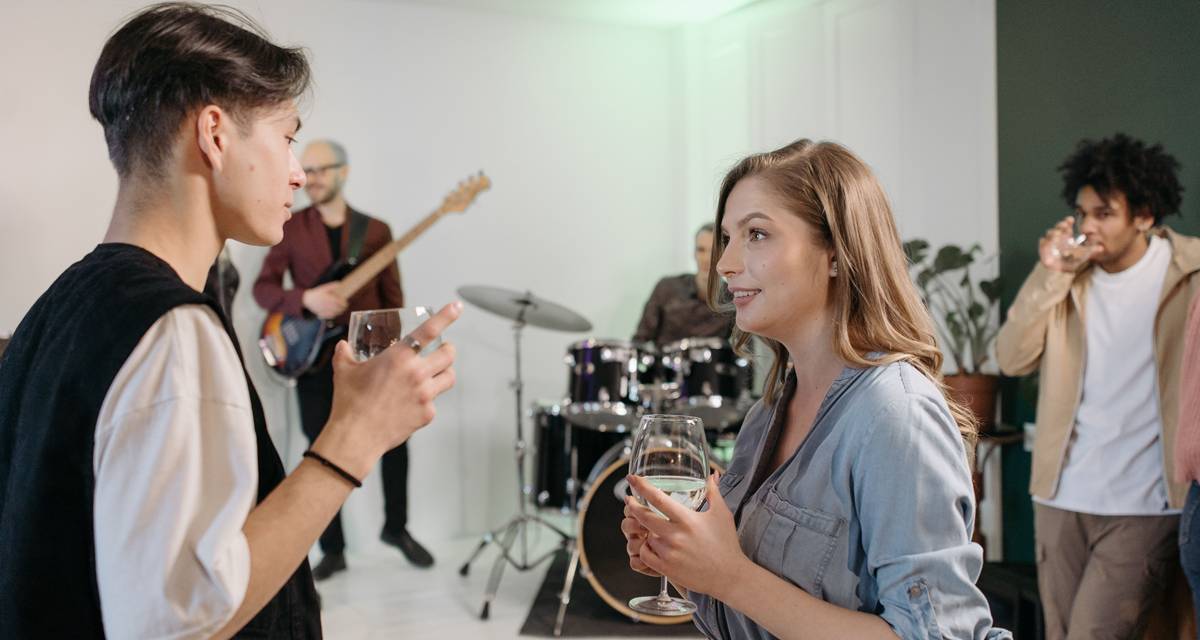
One of life’s great counterintuitive truths is that, studies show, the easiest way to be more likable in a conversation is to appear genuinely interested in what the other person has to say. Or, as the old saying goes, it’s better to be interested than interesting. | ||
While some people try to impress others with their great stories and incredible wit, nothing makes people feel better than being seen and understood. So, if you want to boost your likability, learning how to make someone feel heard is a great first step. The best way to do that in conversation is to ask plenty of questions, but not all questions are created equal. | ||
|
An Upworthiest Quiz
Which classic self-help book gave us the line "To be interesting, be interested"?
Yesterday’s Results
In yesterday’s issue, we shared Tod Perry’s story on the Harvard professor’s four-letter fix for awkward conversations.
And we asked: What did “awkward” originally mean? Almost half of you knew that it once meant ‘turned the wrong way,’ and the rest of you were, in this regard… a bit awkward.
Turned the wrong way (45.8%)
Left-handed (35.5%)
Slow to speak (14.2%)
Bad at dancing (4.5%)
"Awkward" turns up in the 1300s meaning in the wrong direction, borrowed off the Old Norse afugr, turned backwards. It didn't mean clumsy until the 1520s, and it didn't describe a person quietly dying inside at a party until 1713.
 | ||
A kindergarten teacher is drawing rave reviews for teaching her kids "how to be bored." | ||
Kindergarten teacher uses brilliant ‘bored games’ to teach kids patience and self-restraint | ||
“Most kids don’t know how to be bored these days.” | ||
By Evan Porter | ||
Harvard professor Arthur C. Brooks recently wrote an impassioned plea: “You need to be bored,” he said. Others have called boredom the most important skill of the 21st century. | ||
How can boredom be a skill? And why is it so important? To see why it matters, we need to look at young kids who are still learning the art and skill of being bored without imploding. | ||
|
