
In partnership with

Today, in the Upworthiest...
 | ||
Florida dumped half a million oyster shells into the Gulf of Mexico. No one expected the results to be this good. | ||
Dumping trash into the ocean seems like a bad idea, right? Wrong. | ||
By Heather Wake | ||
Between 2007 and 2024, Florida attempted to rebuild the Gulf of Mexico’s ecosystem in an unusual way: dumping over 500,000 tons of recycled oyster and clam shells straight back into the water. | ||
These shells were gathered from seafood restaurants (quite literally scraped off of plates) as well as seafood plants. So essentially, a massive amount of sinking, rotting garbage was supposedly going to bring the struggling sandy seafloors back to life. | ||
|
Privacy-first email. Built for real protection.

Proton Mail offers what others won’t:
End-to-end encryption by default
Zero access to your data
Open-source and independently audited
Based in Switzerland with strong privacy laws
Free to start, no ads
We don’t scan your emails. We don’t sell your data. And we don’t make you dig through settings to find basic security. Proton is built for people who want control, not compromise.
Simple, secure, and free.
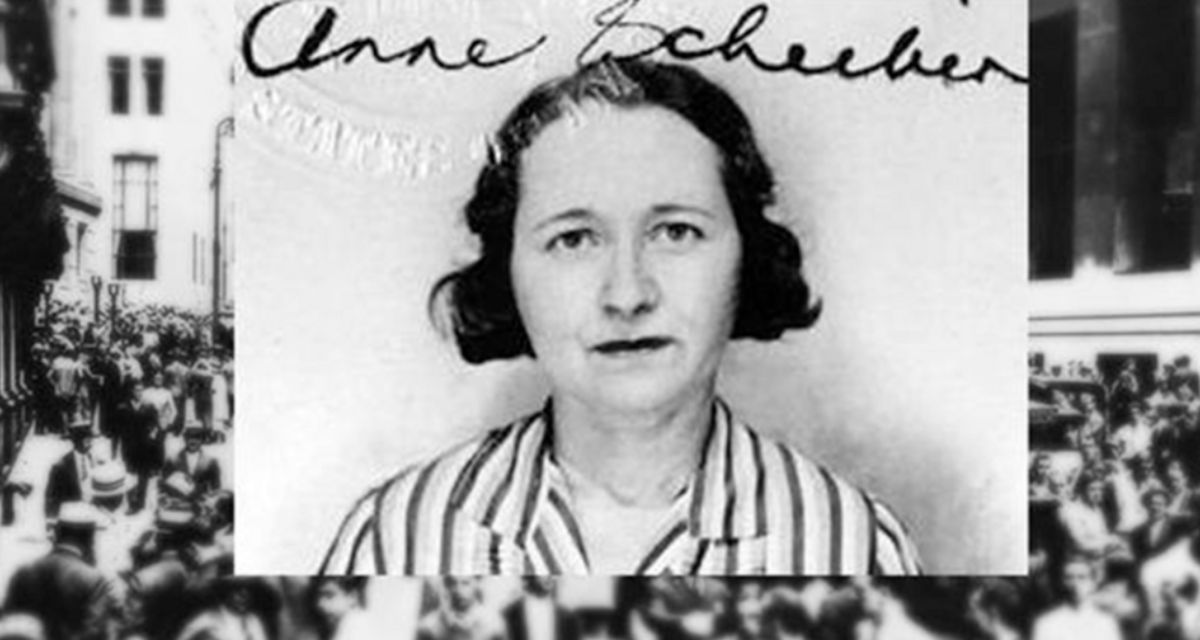 | ||
At 51, she had just $5,000 to her name. When she died at 101, she had turned it into $22 million. | ||
Anne Scheiber is widely regarded as one of the greatest self-taught investors of all time. | ||
By Emily Shiffer | ||
Anne Scheiber, a woman from Brooklyn, New York, was born in 1893. She went on to become a finance legend. | ||
Scheiber overcame many obstacles during her 23-year career with the Internal Revenue Service. When she retired at 51 in 1944, she had just $5,000 to her name. | ||
She taught herself everything she could about the stock market and investing. By the end of her life, she had turned $5,000 into $22 million, becoming a self-made millionaire. | ||
|
The smell of sunscreen that somehow takes you right back to being a kid. ☀️
 | ||
Behavioral scientist shares 10 questions that will make people fall madly ‘in like’ with you | ||
“What’s something you’re bad at but love to do?” | ||
By Tod Perry | ||
Many people get nervous in social situations because they don’t know how to start conversations or make small talk. They overthink things to the point of social paralysis. Others miss the mark at parties or when meeting new people because they think the key to being likable is impressing others with their wit, charm, and accomplishments. | ||
However, according to Harvard Business School research, the key to being likable is asking questions. It’s better to be interested in others than to try to make them interested in you. | ||
“In fact, among the most common complaints people make after having a conversation, such as an interview, a first date, or a work meeting, is ‘I wish [s/he] had asked me more questions’ and ‘I can’t believe [s/he] didn’t ask me any questions,'” Dr. Alison Wood Brooks, a behavioral research scientist and professor, writes in Harvard Business Review’s “The Surprising Power of Questions.” | ||
|
What's your typical bedtime routine?
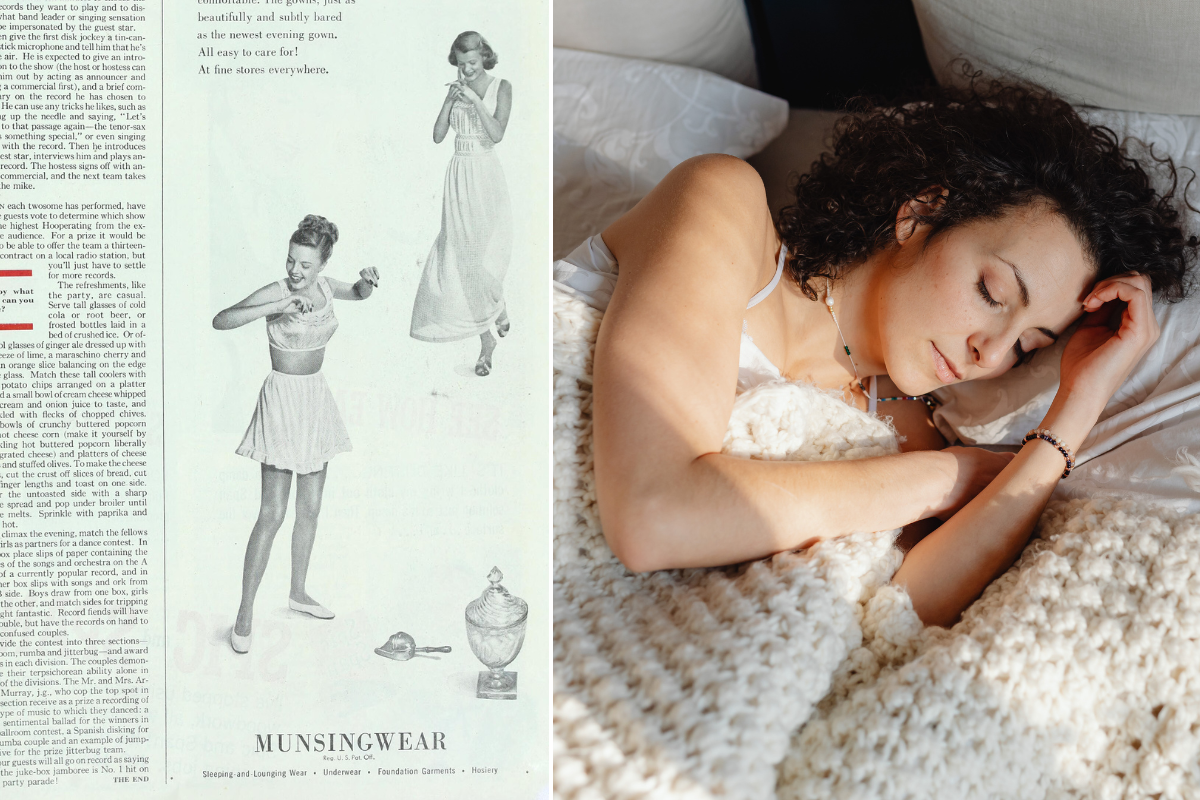 | ||
A woman tried a "1940s bedtime routine" and called it a game-changer for her sleep. | ||
Woman follows ‘1940s bedtime routine’ and can’t believe how restful it is | ||
The evening wind-down was elaborate, lengthy, and completely screen-free. | ||
By Evan Porter | ||
The CDC reports that about 15% of adults have trouble sleeping “most days or every day.” That number is on the rise, and can be seen in the rapid rise of melatonin usage, up nearly five-fold in the past 20 years or so, and other sleep aids. | ||
There are a lot of modern factors that play a role in difficulty sleeping, from high caffeine consumption to a heavy use of blue-light screens. These, along with high levels of general stress and anxiety, suppress natural melatonin production and make falling and staying asleep a challenge for many people. | ||
|
