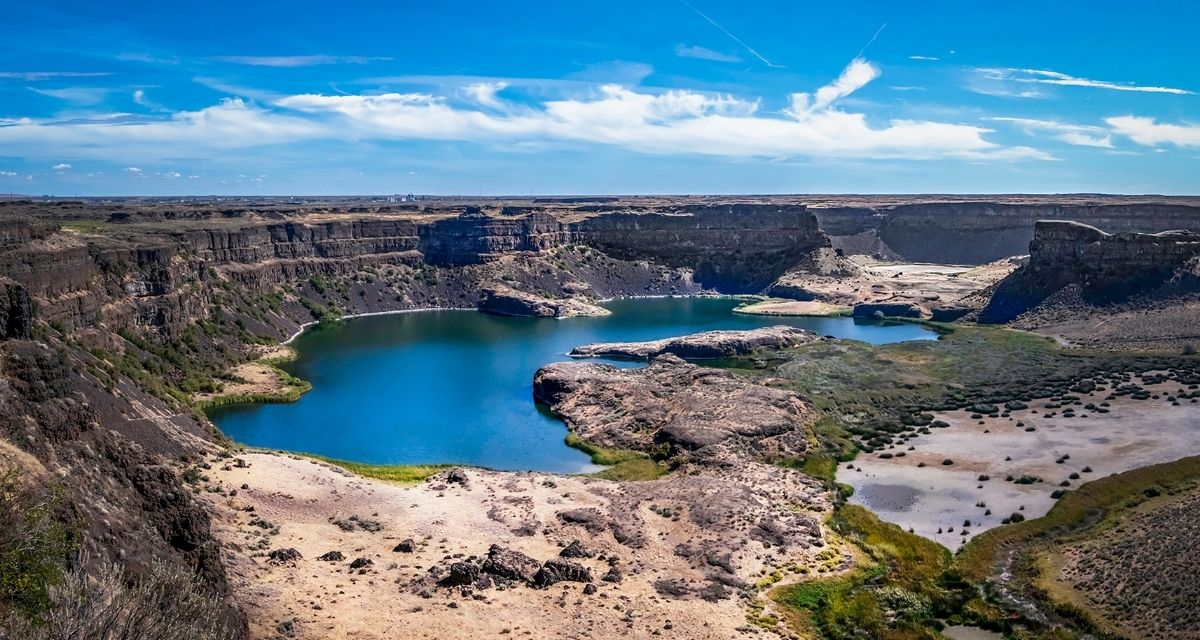
Some retirement inspiration comes from financial planners. Some comes from Blanche, Dorothy, Rose, and Sophia. Today, Cecily Knobler looks at women taking the Golden Girls model seriously, and Tod Perry shares a mindfulness reset you might actually have time for. Then we head to Eastern Washington, where a geologist proposed an explanation for the landscape that went over terribly with his peers. Annie Reneau has the story of a very long wait for vindication.
 | ||
Gen X and Boomer women who refuse to retire alone are turning to the ‘Golden Girls’ retirement plan | ||
“The Golden Girls may have been onto something long before the rest of us caught up.” | ||
By Cecily Knobler | ||
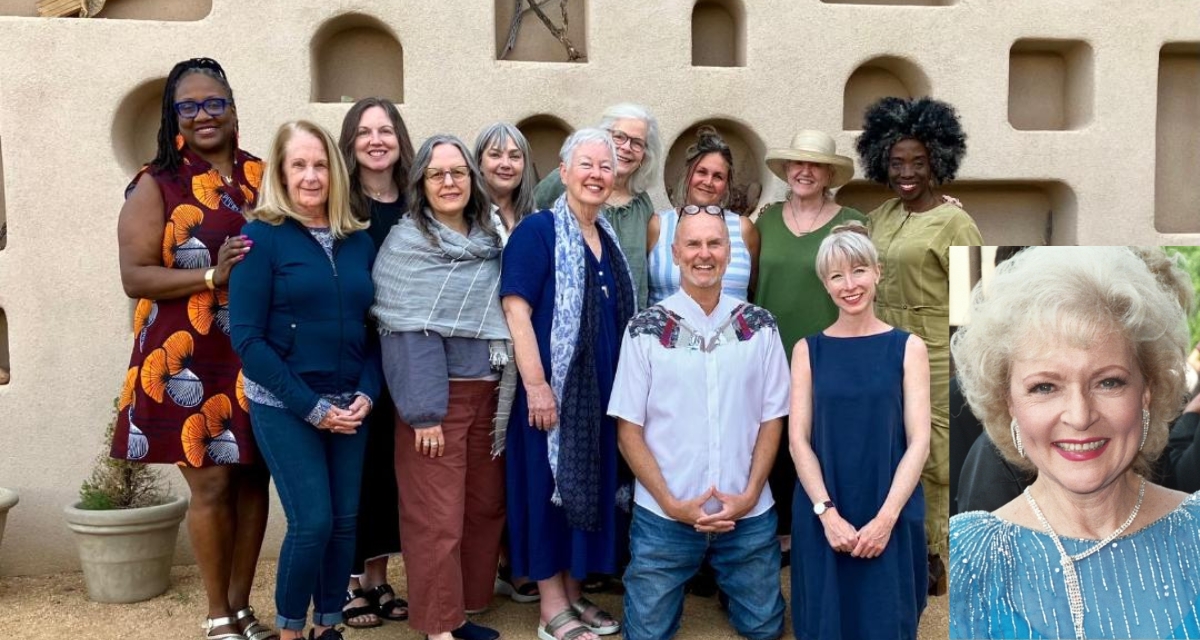
One doesn’t have to be Gen X or a Boomer to remember the magic that was The Golden Girls, an NBC TV show that ran from 1985 to 1992. It sparked the idea that perhaps as women age, their retirement plan could look more like friends rooming together, rather than senior living facilities. | ||
A co-housing expert in New Mexico is testing out this idea. Groups of women, ranging in age from their 50s to early 70s, have been attending retreats on a sprawling ranch to workshop ideas and share what works and what doesn’t, from logistical and emotional standpoints. | ||
|
 | ||
Your group chat might be more powerful than you think | ||
Patagonia is putting that idea to the test. | ||
By Harmony Hobbs | ||
Kara Cartwright had always been fiercely protective of her online privacy. The writer used a pen name, carefully concealed her face and identity, and maintained her anonymity even in tight-knit writing groups where many of the women knew one another in real life. | ||
She had certainly never announced her birthday on social media. | ||
But with the November 2026 election approaching, Cartwright decided to make an exception. For the first time, she publicly acknowledged her birthday—not because she wanted attention, gifts, or well wishes, but because she had a request. | ||
“Will you pledge to vote?” she asked her followers. “If so, what’s your plan? Mail? Early? On Election Day? Do you have a voting outfit? Tell me everything.” | ||
|
Meet Christophe Waggoner, the Santa Claus of Halloween. 🎃

 | ||
Monk-inspired 20-second reset found to be a key to well-being. But it must be done daily. | ||
A psychologist’s random encounter with a monk completely changed his approach to mindfulness. | ||
By Tod Perry | ||
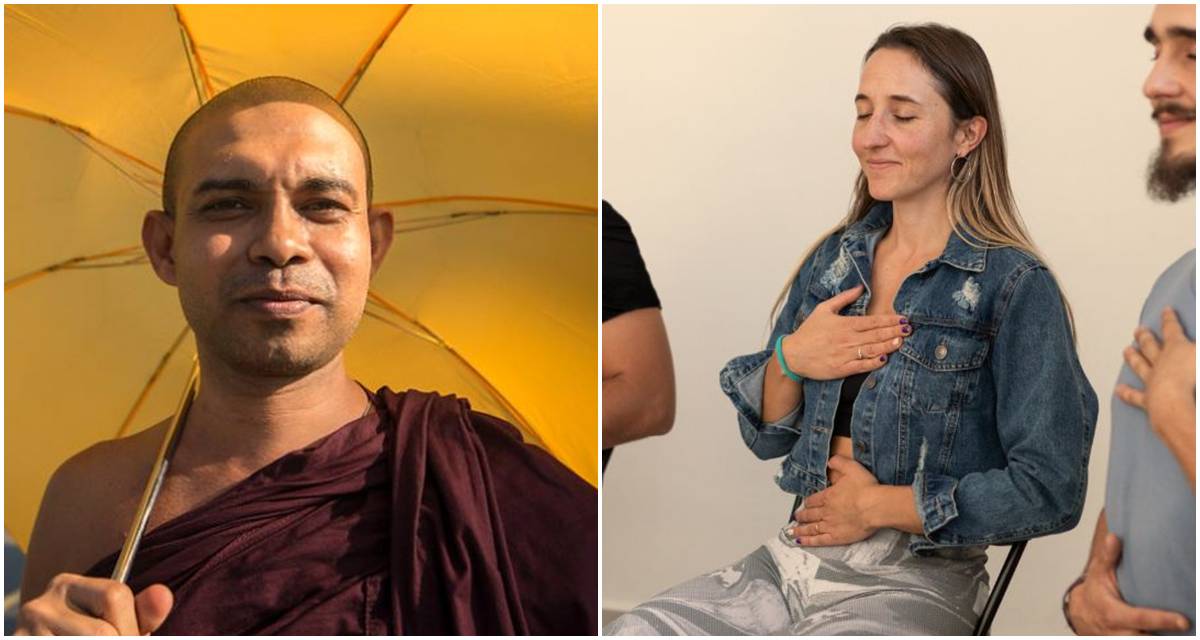
Many believe that you have to put in a lot of time and effort to get real benefits from a mindfulness practice. People who practice Transcendental Meditation do so for 40 minutes a day. Vipassana meditation practitioners regularly do around two hours a day. Some Tibetan Buddhist practitioners go on meditation retreats lasting three years, three months, and three days. | ||
Psychologist Eli Susman, author of Micropractice, spent a month on a meditation retreat at Plum Village, the mindfulness practice center founded by popular Buddhist monk Thich Nhat Hanh. There, he was taken aback to find that the seated meditations lasted only 30 minutes. So, Susman went to his room and meditated for three hours to prove himself. | ||
“Later, I went up to a monk and probably said, ‘I just meditated for 3 hours.’ Almost like I was expecting some shiny badge for my efforts,” he recalled on the Time Billionaires podcast. “And his eyes widened. He said, ‘Three hours?’ And then he smiled, and he said something I’ll never forget: ‘How about three breaths? That’s all you need to tune into the present moment.’” | ||
|
An Upworthiest Poll
Would you consider living with friends in retirement?
Yesterday’s Results
In yesterday’s issue, we shared a two-word approach to taking other people’s behavior less personally.
And we asked: What is hardest for you to stop taking personally? Being excluded from plans took the lead with 42.7% of the vote. Even when the plans sound exhausting, we still want to be invited.
A message left on read (2.6%)
Someone being rude for no reason (34.7%)
Criticism of something I care about (20.1%)
Being excluded from plans (42.7%)
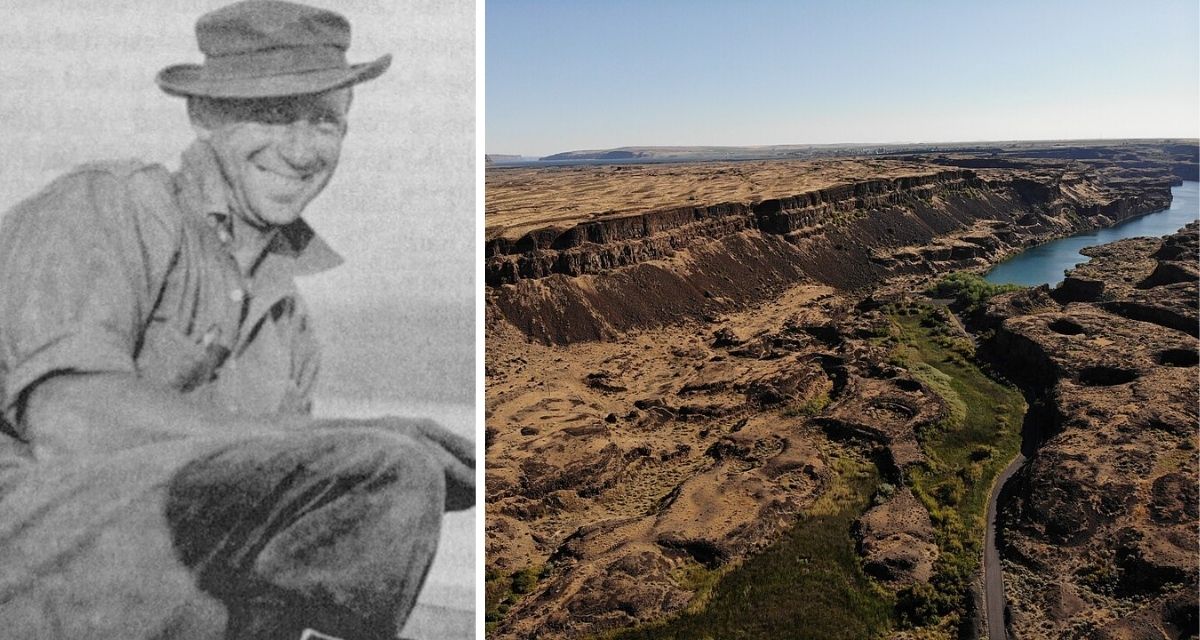 | ||
J. Harland Bretz (left) and the Channeled Scablands of Eastern Washington | ||
100 years ago, a rogue Washington geologist faced ridicule for his ‘catastrophic’ theory. He was right. | ||
J. Harlen Bretz discovered the biggest flood Earth has ever seen, completely changing humanity’s understanding of our world. | ||
By Annie Reneau | ||
When geologist J. Harlen Bretz proposed the idea that the rugged canyons and buttes of Eastern Washington weren’t formed gradually, but carved out in days by a cataclysmic flood, his colleagues called him a quack. Everyone in 1923 knew that geology is measured in millennia, not days. Massive canyons and buttes simply could not be created overnight. | ||
Bretz would spend over a decade being ridiculed for his “preposterous” idea, but he was right. The Channeled Scablands of Eastern Washington were indeed created by flood. Bretz had spent years conducting on-the-ground fieldwork, mapping out the region’s unique topography with remarkable precision. He saw what those who had never visited the area couldn’t—channels instead of valleys, dramatic erosive changes that were “nothing short of amazing.” | ||
The only problem? He couldn’t figure out where that cataclysmic floodwater could’ve come from. | ||
|