
Today, in the Upworthiest...
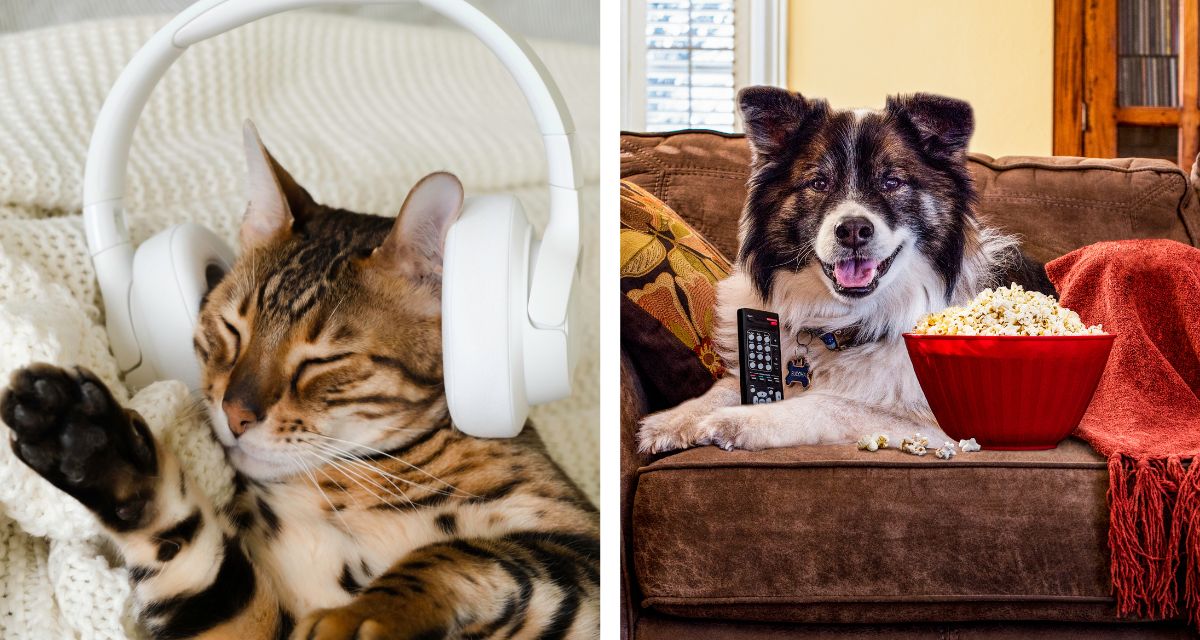 | ||
A cat listening to music on headphones, left, and a dog with a remote and popcorn. | ||
Leave TV or music on for your pet when you’re not home? Science says these genres are best. | ||
Do our pets actually appreciate this gesture in the way we hope? | ||
By Heather Wake | ||
It’s a common kindness among pet owners to leave their fur babies some kind of background noise whenever they’re gone for extended periods of time. It’s such a popular practice that YouTube and Spotify have dedicated playlists for soothing and stimulating pets while we’re away doing human things. And hey, if it eases our guilt in the process, that’s a win-win. | ||
But do our pets actually appreciate this gesture in the way we hope? The only accurate answer is, of course, that it depends—not only on which species we’re dealing with, such as cats vs. dogs, but also on the genre of music. | ||
|
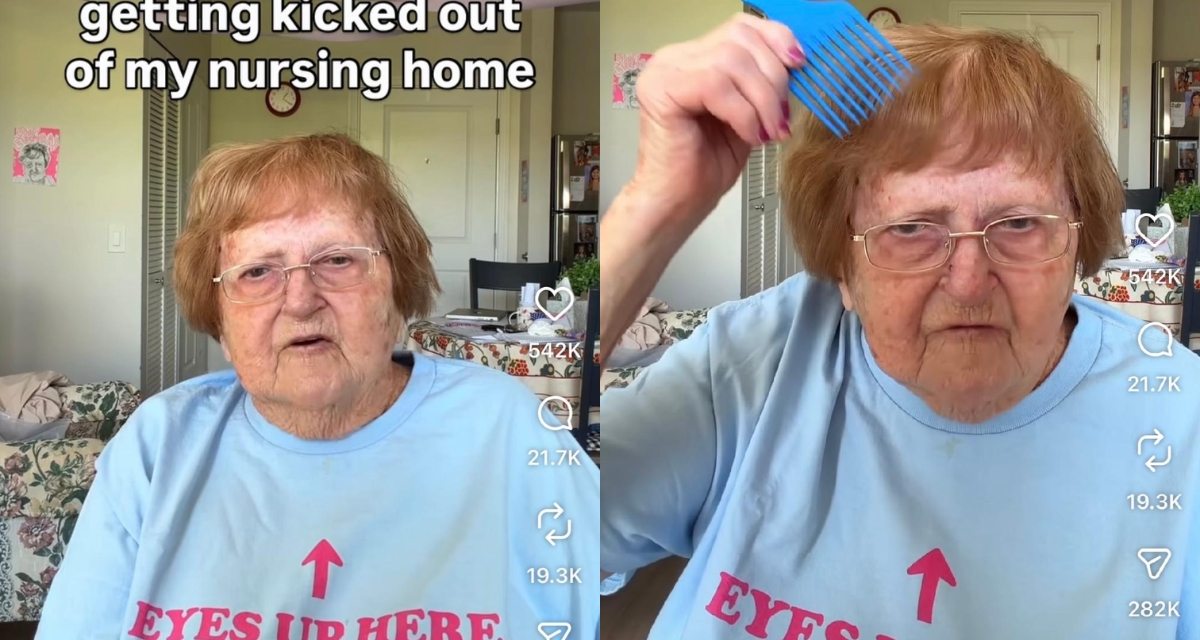 | ||
96-year old grandmother gets stern warning from nursing home for ‘partying too hard’ | ||
She’s gotta fight for her right to party. | ||
By Cecily Knobler | ||
Lillian Droniak is 96 years old, and she’s not gonna take any guff from the authorities. She resides in Connecticut in a nursing home and has become an Internet sensation with nearly four million followers on Instagram alone. (Incidentally, she only follows one person, and it’s her grandson, Kevin. But we’ll come back to that.) She’s listed as a “fashion model,” and her bio reads: “I’m a celebrity and a 96-year-old grandma. I can be your grandma too.” | ||
Just recently, she posted a clip where she shares a threatening letter from her nursing home. Wearing a t-shirt with the words “eyes are up here” in hot pink lettering, she pulls out her glasses and begins to read the letter. She is not messing around. | ||
|
Literally moving land and earth for you.

 | ||
A Boston newspaper editor made a dumb joke in 1839. It became the world’s most popular word. | ||
On March 23, 1839, the Boston Morning Post printed a joke abbreviation for “oll korrect.” It became the most ubiquitous expression in the English language. | ||
By Adam Albright-Hanna | ||
On March 23, 1839, Boston Morning Post editor Charles Gordon Greene was writing a satirical piece making fun of the Providence Journal. At the end of a throwaway paragraph, he stuck in an abbreviation: “o.k.” It stood for “oll korrect,” which was an intentionally misspelled version of “all correct.” | ||
That joke became the most widely used expression in the English language. | ||
Greene wasn’t being random. According to History.com, the late 1830s were in the grip of an abbreviation craze, especially among young, educated elites in Boston. The twist was that they deliberately misspelled words first, then abbreviated them. It was the 1800s version of texting slang, and apparently it was hilarious at the time. | ||
|
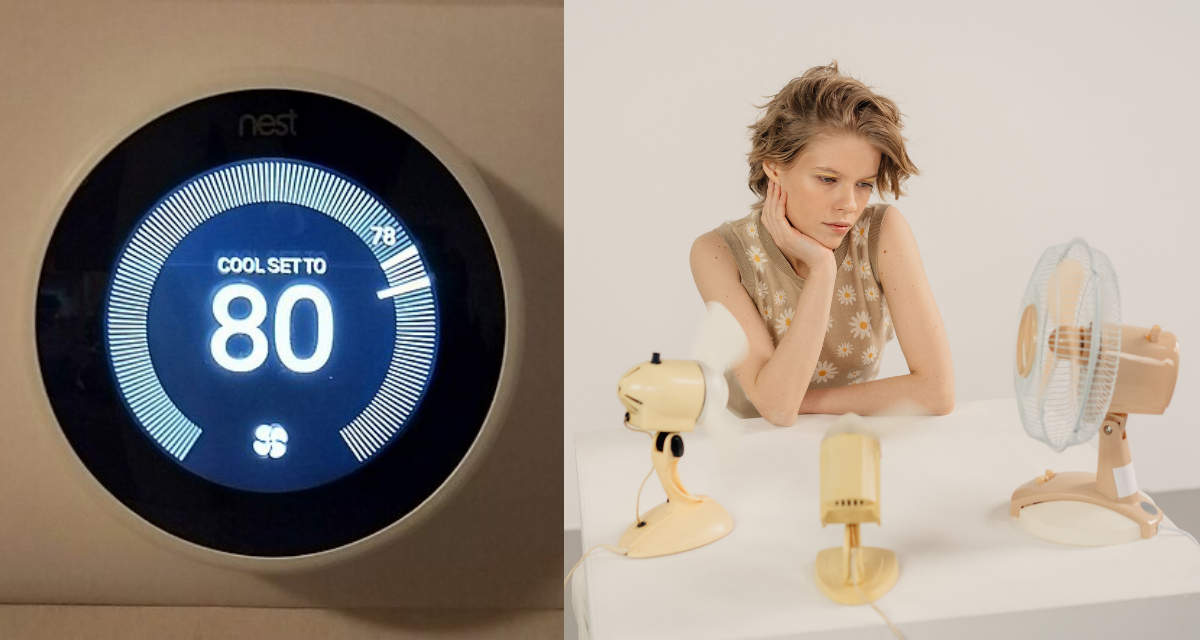 | ||
Use your thermostat right and you won’t sweat that electrical bill nearly as much. | ||
Experts share the thermostat ‘sweet spot’ to stay cool while keeping A/C costs down | ||
Use your thermostat right and you won’t sweat that electrical bill nearly as much. | ||
By Patrick Hamilton | ||
Summertime is here. Sun’s out, kids are done with school, and temperatures are on the rise. According to forecasters, Americans are headed for a record-breaking scorcher of a summer. Going to the beach, lake, or pool is one way to beat the heat; the other is to shut the doors and crank the A/C. But how do you lower temps without pushing your utility bill to an all-time high? | ||
For a lot of us, turning on the air conditioning feels like the equivalent of burning money. But when you get home from work and your place feels like a sauna, you give in and drop that dial down to a frosty 68 degrees. It feels great until the electric bill comes at the end of the month. Is there a better method that won’t get you cooked by your energy costs? | ||
|
