
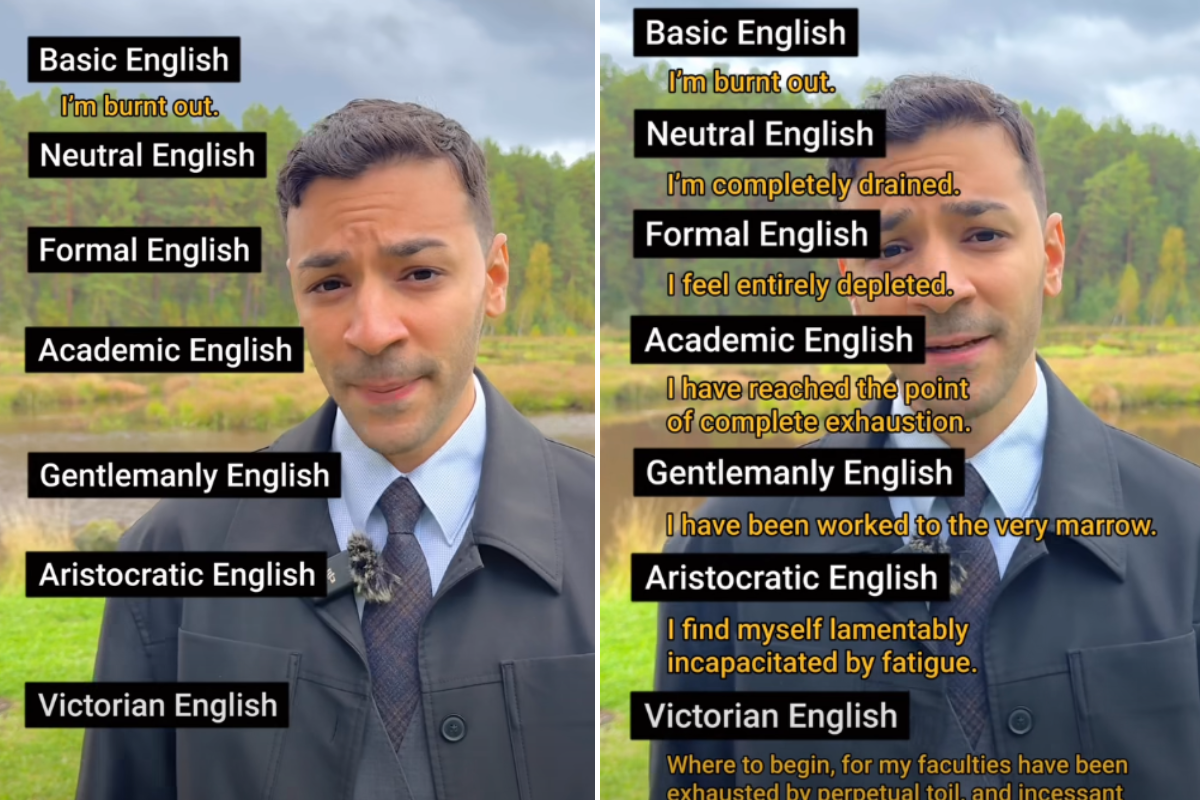
A British teacher is showing how to speak in Victorian English, and people are loving it.
British teacher flawlessly translates everyday sayings into Victorian English, and people are hooked
“‘My faculties have been exhausted by perpetual toil’ goes hard.”
By Evan Porter
It’s hard to believe now, but communicating via the written word used to be a gigantic deal. Long before texting, social media, quick emails, or even short postcards, one of the only ways people could communicate across space and time was by writing long letters.
The 18th century is considered by some to be the peak of the Golden Age of letter writing. It was a key element of education for people wealthy enough to receive one, and it was incredibly important: business was conducted via handwritten letters, love was declared, and new introductions were made.
It was crucial, then, to choose your words extremely carefully. This was especially true in and around the Victorian Era in England, roughly between 1820 and 1914.
| Read the story |

Happiness expert shares simple ’20-Second Rule’ to make bad habits harder and good ones easier
Small changes can lead to life-changing gains.
Life can be full of roadblocks, but what if there were little things we could do to make it a little easier? While nothing is guaranteed, what if those small changes only took a handful of seconds?
According to happiness expert Shawn Achor, the “20-Second Rule” might be all you need to make a big difference.
In his New York Times bestselling book, The Happiness Advantage: The Seven Principles of Positive Psychology that Fuel Success and Performance at Work, Achor explains that we often get stuck in everyday patterns. To “unstick” ourselves, we need to make it easier to build the habits we want and harder to maintain the ones we don’t.
| Read the story |
You guys really hit the friendship jackpot



Around the world, Malala Fund’s local partners, supported by Pura, are helping girls build the confidence to use their voices and shape their futures. The result is more girls in school and stronger, more resilient communities.
Learn more about the women leading narrative-changing solutions that are helping their communities thrive.
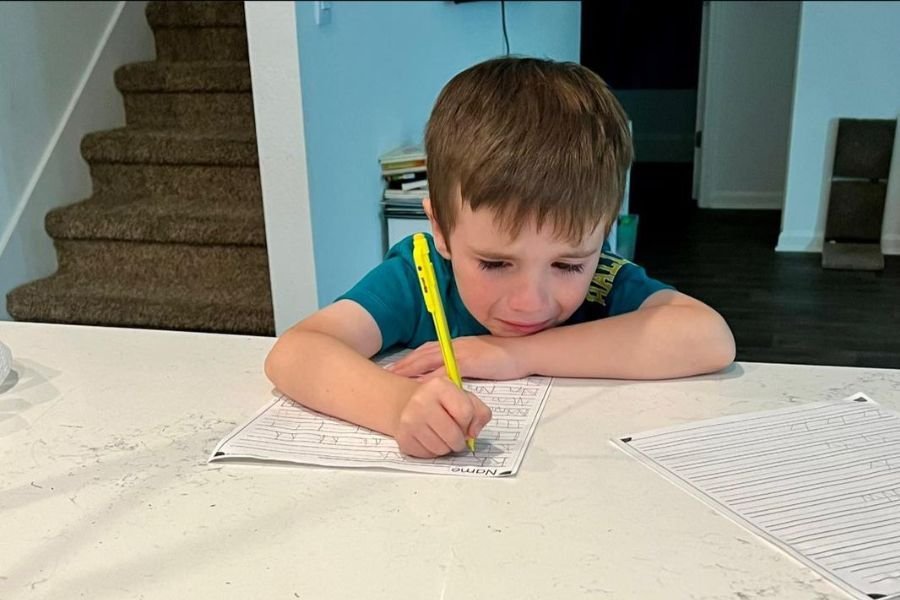
A young boy doing his homework.
Mom explains how her 1st grader’s second-day of homework already crushed his spirit
“He already doesn’t get home from school until 4 pm. Then he had to sit still for another hour plus to complete more work.”
By Annie Reneau
Debates about homework are nothing new, but the ability of parents to find support for homework woes from thousands of other parents is a fairly recent phenomenon. A mom named Cassi Nelson shared a post about her first grader’s homework and it quickly went viral. Nelson shared that her son had come home from his second day of school with four pages of homework, which she showed him tearfully working on at their kitchen counter.
“He already doesn’t get home from school until 4 pm,” she wrote. “Then he had to sit still for another hour plus to complete more work. I had to clear out the kitchen so he could focus. His little legs kept bouncing up and down, he was bursting with so much energy just wanting to go play. Then he broke my heart when he looked up at me with his big teary doe eyes and asked…. ‘Mommy when you were little did you get distracted a lot too?!’ Yes sweet baby, mommy sure did too! I don’t know how ppl expect little children to sit at school all day long and then ALSO come home to sit and do MORE work too….”
Nelson tells Upworthy that she felt “shocked” that kindergarteners and first graders have homework, much less the amount expected of them. “We didn’t have homework like this when we were in these younger grades.”
| Read the story |
