
Sponsored by

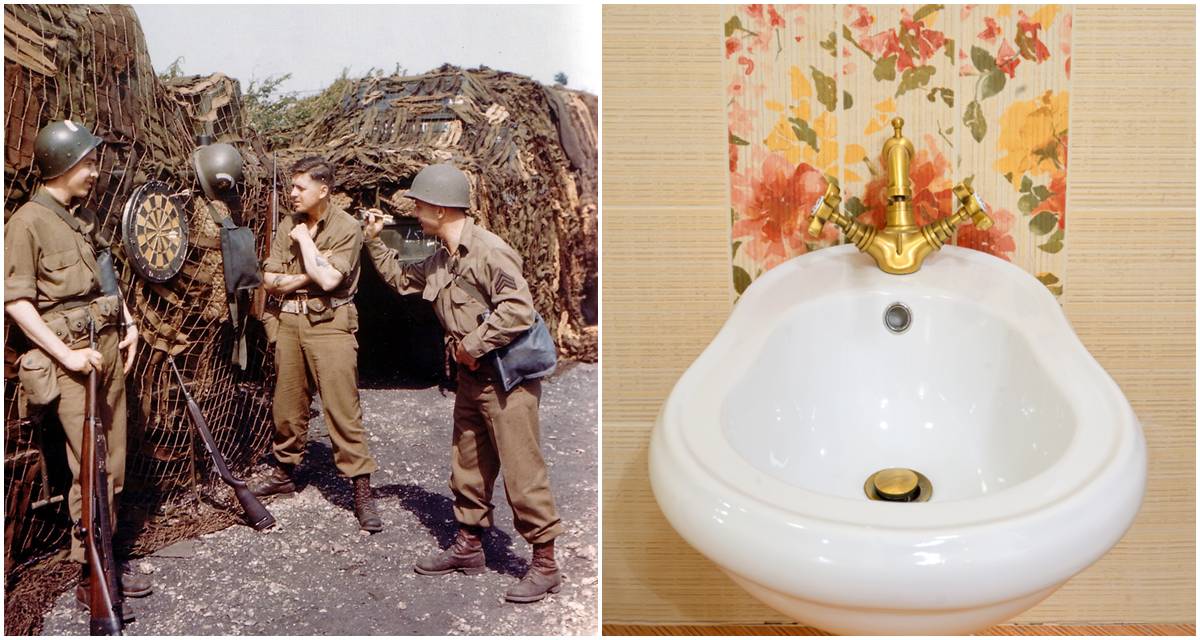
American soldiers in World War II and a bidet.
Why a common World War II experience made Americans choose toilet paper over bidets
We’ll probably switch to the metric system before bidets.
By Tod Perry
The bidet dates back to 18th-century France and, by all accounts, is more hygienic than toilet paper and better for the environment. But, much like the metric system, Americans aren’t adapting to them anytime soon.
In fact, a 2022 poll found that only 12% of Americans “know a lot about” bidets. Americans make up 4% of the world’s population but use 20% of its toilet paper, while 70% of the world doesn’t use toilet paper at all.
When you look at the numbers, bidets are a much better option for the environment and for one’s pocketbook than toilet paper. According to The Process, Americans cut down 31 million trees each year for toilet paper, and it takes 37 gallons of water to produce a single roll, while each use of a bidet requires only one-eighth of a gallon.
| Read the story |
How Jennifer Aniston’s LolaVie brand grew sales 40% with CTV ads

The DTC beauty category is crowded. To break through, Jennifer Aniston’s brand LolaVie, worked with Roku Ads Manager to easily set up, test, and optimize CTV ad creatives. The campaign helped drive a big lift in sales and customer growth, helping LolaVie break through in the crowded beauty category.
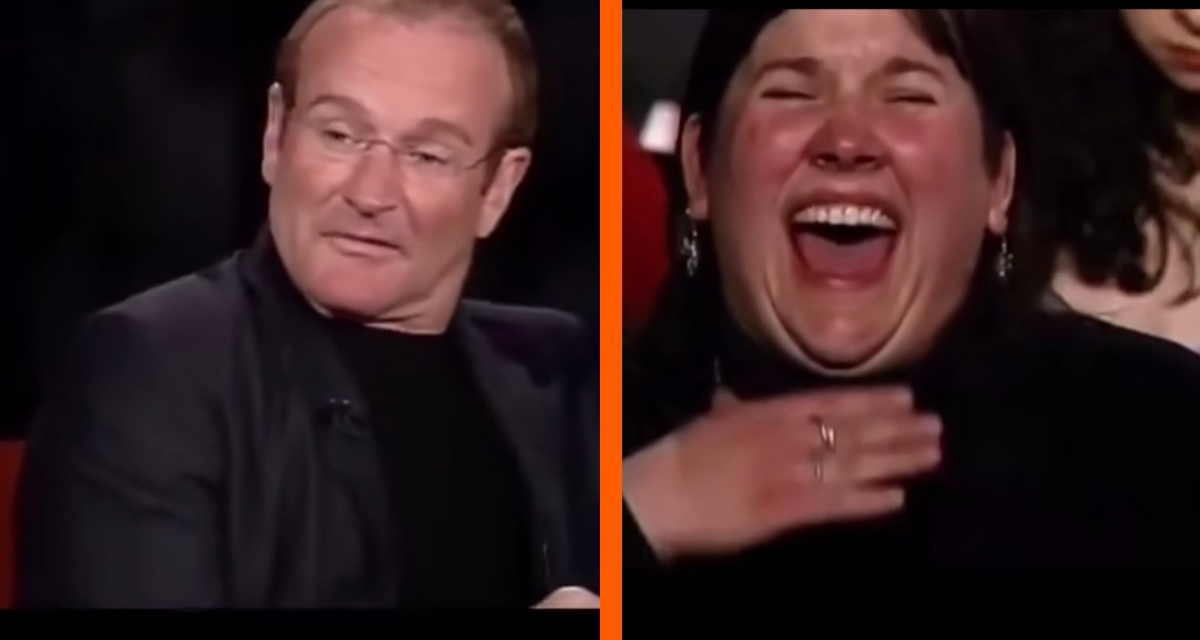
Robin Williams makes a woman laugh until she cries in interview clip.
A woman’s outrageously infectious laugh once left Robin Williams mesmerized during his own interview
“The best kinds of people are those who strive to make people happy and laugh.”
Comedian Robin Williams never seemed to stop his lifelong quest to make people laugh. He succeeded so often that it must have simply felt like second nature to him. It was almost as if all he had to do was just wave a magic wand and poof! Laughter.
This gift seemed to appear to Williams as a child, and he carried it with him most of his life. So when he heard the uproarious chuckles of one woman in the audience of an interview with James Lipton on Inside the Actors Studio, he couldn’t help but become the conductor of his own little laughter orchestra.
| Read the story |
Over here crying about this beautiful porch goose friendship. 😭

When dumpsters become gold mines.
A mechanic found hundreds of canvases in a dumpster. Now, they’re worth millions.
One man’s trash is literally another man’s treasure.
By Heather Wake
An odd trinket bought at a thrift shop turns out to be a bona fide antique. A small fortune is found stashed inside a piece of furniture on the side of the road. These are the magical jackpot moments that seem almost too good to be true, and yet, real stories like these keep the hope alive in our hearts.
In September 2017, auto mechanic Jared Whipple received a call from a friend about an abandoned barn in Watertown, Connecticut, filled with several large canvases, each with bold, colorful displays of car parts. Considering Whipple’s line of work and his general love for vintage items, the friend thought the artwork would be of interest to him.
By the time Whipple arrived on the site, all the pieces had been disposed of into a dumpster (next stop: landfill) and were covered in debris and mold. Luckily, each was individually wrapped in plastic.
| Read the story |
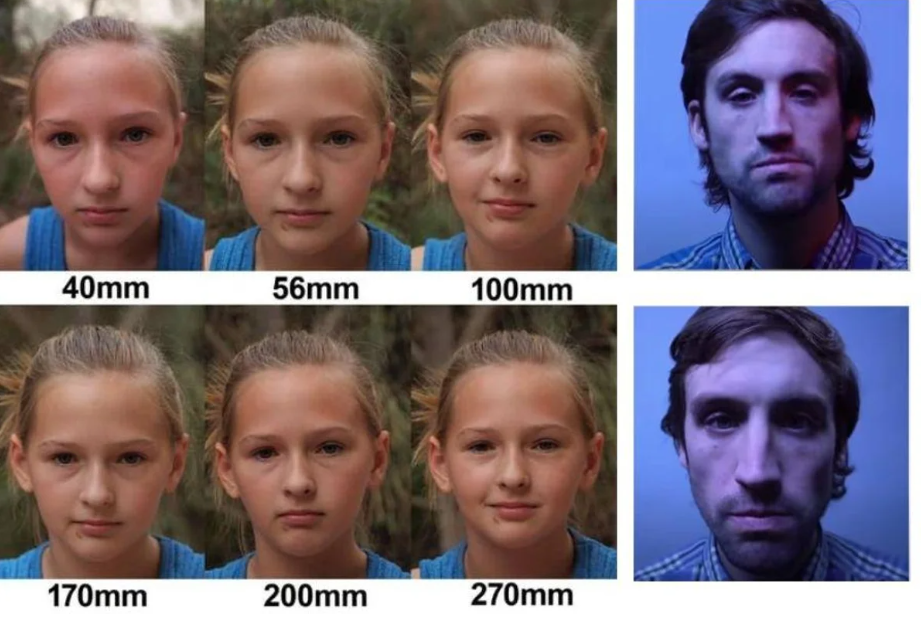
A selfie camera can distort how you look in real life.
Simple photography lesson shows why selfies distort how you really look
Don’t be fooled!
By Annie Reneau
We’ve all done it: You snap a selfie, look at it, say, “OMG is my nose swollen?” then try again from a different angle. “Wait, now my forehead looks weird. And what’s up with my chin?” You keep trying various angles and distances, trying to get a picture that looks like how you remember yourself looking. Whether you finally land on one or not, you walk away from the experience wondering which photo actually looks like the “real” you.
I do this, even as a 40-something-year-old who is quite comfortable with the face I see in the mirror. So, it makes me cringe imagining a tween or teen, who likely take a lot more selfies than I do, questioning their facial features based on those snapshots. When I’m wondering why my facial features look weird in selfies it’s because I know my face well enough to know that’s not what it looks like. However, when a young person whose face is changing rapidly sees their facial features distorted in a photo, they may come to all kinds of wrong conclusions about what they actually look like.
Not that it should matter, of course. But we’re talking about people living in a society obsessed with personal appearance. It’s going to matter to a lot of people, and if they get the wrong impression of their face, some people will go to all sorts of lengths to change it. That’s why understanding a bit about how focal lengths on cameras can impact what we see in photographs is vital.
| Read the story |
