
In partnership with


The '80s have been romanticized, but these 6 things about the decade are worth pining for.
Gen Xer psychiatrist says we don’t actually miss the ’80s, we miss these 6 things
“1. The freedom to be unreachable.”
By Evan Porter
Many of us have a tendency to romanticize the past. We remember the best parts and forget the rest, and then we wish we could somehow return to this blissful, yet mostly imaginary, time. Perhaps no decade has been misremembered and overly-romanticized as the 1980s.
Were the puffy hair, cheesy arcades, and shoulder pads really all that great? One Gen Xer, at least, says No. Psychiatrist Jeff Knuppel runs the YouTube channel GenXistence, where he shares wisdom on getting older as a Gen X man in a rapidly changing world. He has the perspective of someone who’s helping clients with the struggle while living through it himself.
In a recent viral video, Knuppel says we don’t actually miss the ’80s at all:
| Read the story |
Every headline satisfies an opinion. Except ours.

Remember when the news was about what happened, not how to feel about it? 1440's Daily Digest is bringing that back. Every morning, they sift through 100+ sources to deliver a concise, unbiased briefing — no pundits, no paywalls, no politics. Just the facts, all in five minutes. For free.
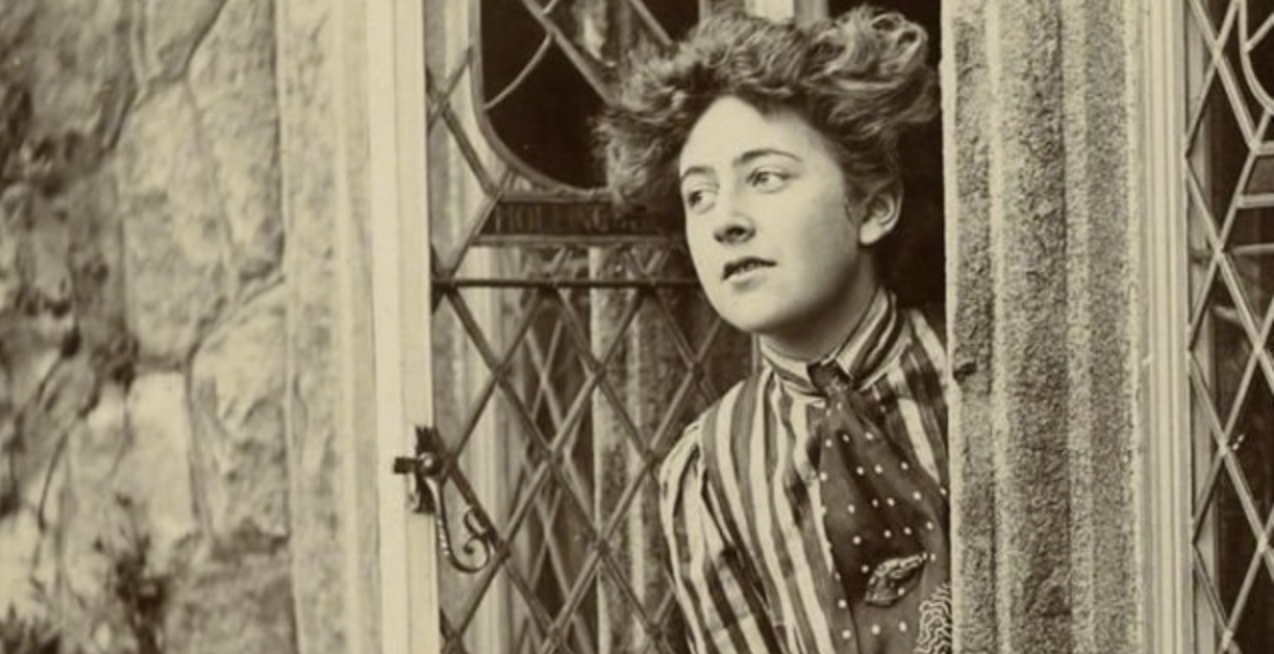
Agatha Christie as a young woman in the 1910s.
Doctors couldn’t identify what was killing a baby in 1977 until a nurse remembered a line from an Agatha Christie book
“The hair falls out.” That single sentence from an Agatha Christie novel caught a nurse’s attention as she looked after a mysteriously ill toddler.
Agatha Christie is universally celebrated as one of the best-selling authors in history. She penned more than 80 books, selling billions of copies worldwide. Her intricate detective plots and brilliant murder mysteries have captivated readers for over a century. However, few people realize that her meticulous attention to detail didn’t just entertain readers—it actually saved a dying child’s life.
In June 1977, a 19-month-old girl was flown from Qatar to London in critical condition. She was admitted to Hammersmith Hospital suffering from a severe, cascading illness that completely baffled the medical staff. The toddler was semi-conscious, her blood pressure was dangerously low, she had immense difficulty breathing, and her hair had begun to fall out in clumps. Doctors ran a battery of tests for rare disorders, but every lead turned into a dead end as her condition continued to rapidly decline.
The breakthrough didn’t come from a medical journal. It came from a paperback novel.
| Read the story |
His little ‘wow’ is the most honest review of nature. 🏔️


A woman learning how to play guitar.
Neuroscientists say a simple, 10-second trick will help you learn things much faster
Give your brain a moment to encode what you’re learning.
By Tod Perry
Learning a new skill means studying and then practice, practice, practice. That might mean learning how to read music and then playing “Für Elise” by Beethoven over and over again. Or, if you’re learning to speak French, you have to memorize the words and then hone your pronunciation through repetition. But what would happen if you gave your brain a moment during practice to really soak in what it was doing instead of a nonstop information dump?
| Read the story |
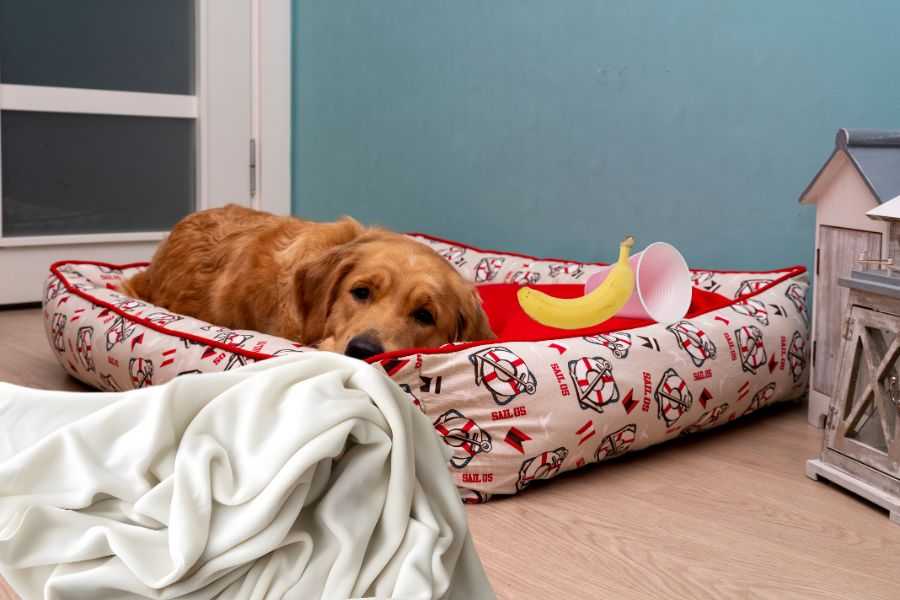
Elderly rescue dog can’t stop putting random items in his bed, keeping his family entertained
“He has stolen a lamp, framed poster art, a cooler. He took a teapot.”
Not all dogs are created equal. Some don’t get the best start in life and end up in situations where they need rescuing. That was the case for an elderly golden retriever named Duke, who had been returned to a rescue so many times that he was nearly labeled unadoptable. His “bad dog” reputation wasn’t due to aggression or destructive behavior. Instead, some might say Duke simply has sticky paws.
The golden retriever is something of a canine kleptomaniac, constantly stealing objects from around the house only to put them in his dog bed. He’s not eating them, burying them, or even playing with them. Duke is a collector of sorts, a trait his previous owners couldn’t get used to. But his current owner, Cathy Hoyt, understands the pup’s strange behavior and rolls with it.
| Read the story |
