
In partnership with


"Barry Manilow will be proud."
Sometimes, people just want to sing. They imagine themselves belting out their favorite tunes to whomever will listen. But for many, anxiety overtakes their fantasy. The thought of messing up or sounding bad is just too terrifying, and they end up keeping their songs to themselves.
Luckily for a 79-year-old man named Colin in Barnsley in the UK, the opportunity to turn this fantasy into a reality presented itself. Singer/songwriter Ruth Lisgo had begun recording karaoke on the street, occasionally handing out a microphone to those who wanted to join in on harmonizing or singing a verse or two.
Colin first went viral after singing "Words" by the Bee Gees. Lisgo states on an Instagram post that "over one million have now viewed that video."
Hands-free writing for busy parents

When you are juggling kids, chores, and work, writing can become impossible. Wispr Flow lets you speak your thoughts and get paste-ready text in seconds. Dictate emails, school notes, social posts, or side-hustle updates and get polished writing that fixes punctuation and formats lists while preserving your voice. It works in the apps you already use on Mac, Windows, and iPhone so you can capture ideas between naps, pickups, and calls. Save time and stay in control. Try Wispr Flow for parents.

Public transportation is a "smile-free zone."
Americans have such an interesting reputation internationally, but one that seems to give our nationality away in Germany is our habit of smiling. That's not to say that Germans don't smile because of course they do! But they don't smile while passing strangers on the street or use it as a social nicety.
Some may consider the constant smiling that many Americans do as fake or disingenuous because it's not part of their cultural norms. Dominik, a German man who runs the YouTube channel Get Germanized, explains that Americans may be taken aback by the lack of smiling by German citizens in public settings.
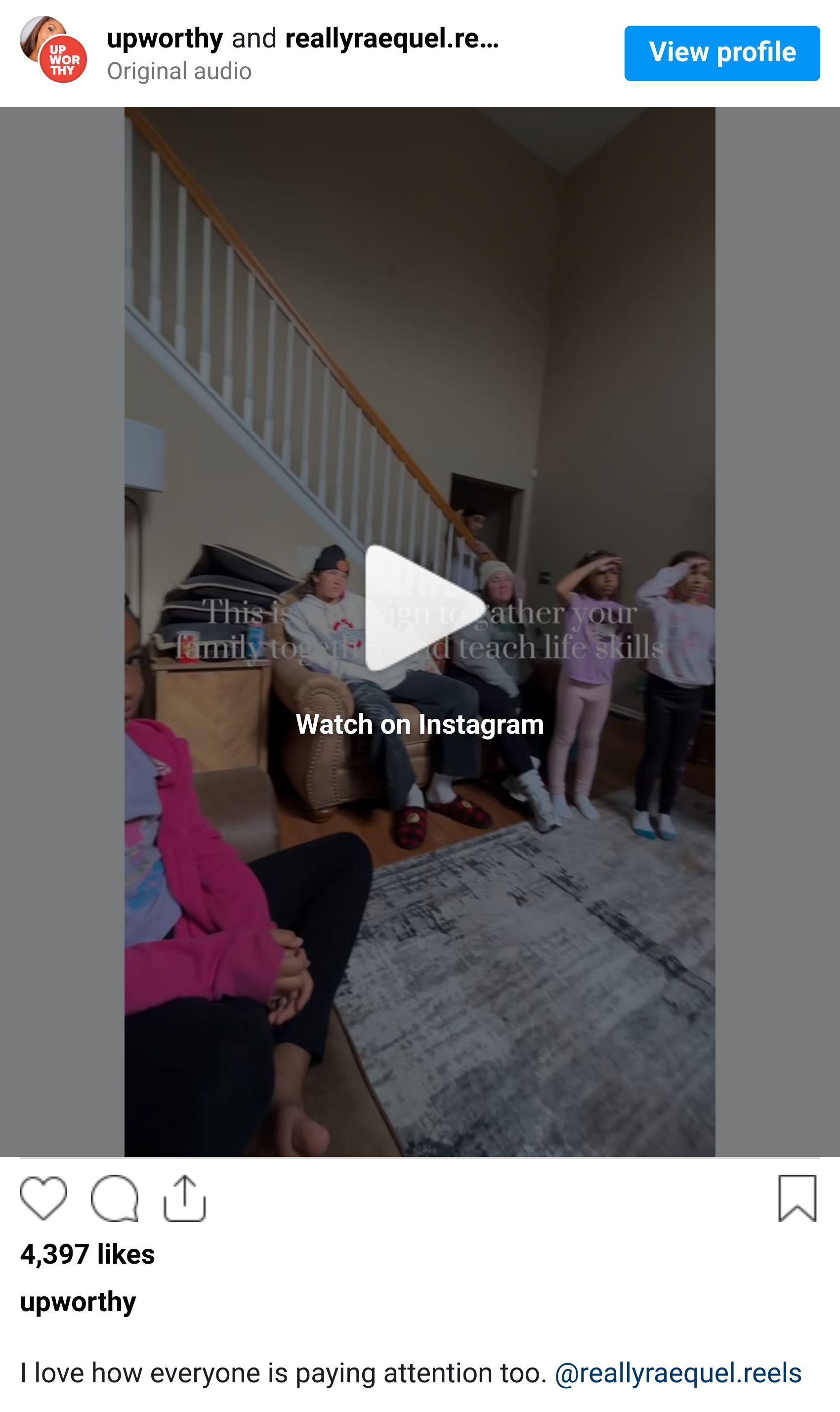
I love how everyone is paying attention too.

Vinh Giang shares 3 simple steps for analyzing your speaking habits.
By Annie Reneau
Public speaking often tops people's lists of biggest fears, probably because they imagine it means giving a speech on stage in front of thousands of people. While it can mean that, public speaking can also mean giving a presentation in front of your coworkers, sharing your thoughts and opinions in a meeting, or even just telling a story to a small group of people. Public speaking is just communicating to an audience, and it's something most of us do more often than we might think.
It's also a skill we can improve, as communication expert Vinh Giang helps people do. Someone asked Giang what three tips he would give to become a "brilliant" public speaker, and he responded with super-specific advice.

It's unbelievable where this all started.
By Heather Wake
The stereotype that women are more talkative than men is pervasive across many cultures and generations. Professional dialect coach Erik Singer recently argued that this widely held belief doesn’t have the evidence to back it up…and he brought receipts.
It’s safe to say that Singer, who has dedicated over 20 years to deeply understanding dialects and accents, helped actors pull off career-changing accent work, and produced countless viral videos meticulously breaking down various accent mechanics, knows a thing or two about talking.
Singer's latest video took a slightly different direction than his usual content. In it, he explained how the often-cited statistic that women on average talk three times more than men (or 20,000 words a day vs. 7,000) is, essentially, “made up out of thin air.”
