

Some things really should be left alone. Others should never be left behind. Tod Perry brings us both sides of that equation today: a discarded snack that changed life inside a cave, and a two-word trick for handling other people's behavior. Then Emily Shiffer opens the Gen X recipe box, and we meet some ancient Roman emperors who look suspiciously like guys you'd see in line at the hardware store. A little psychology, a little nostalgia, and a surprisingly eventful bag of Cheetos.
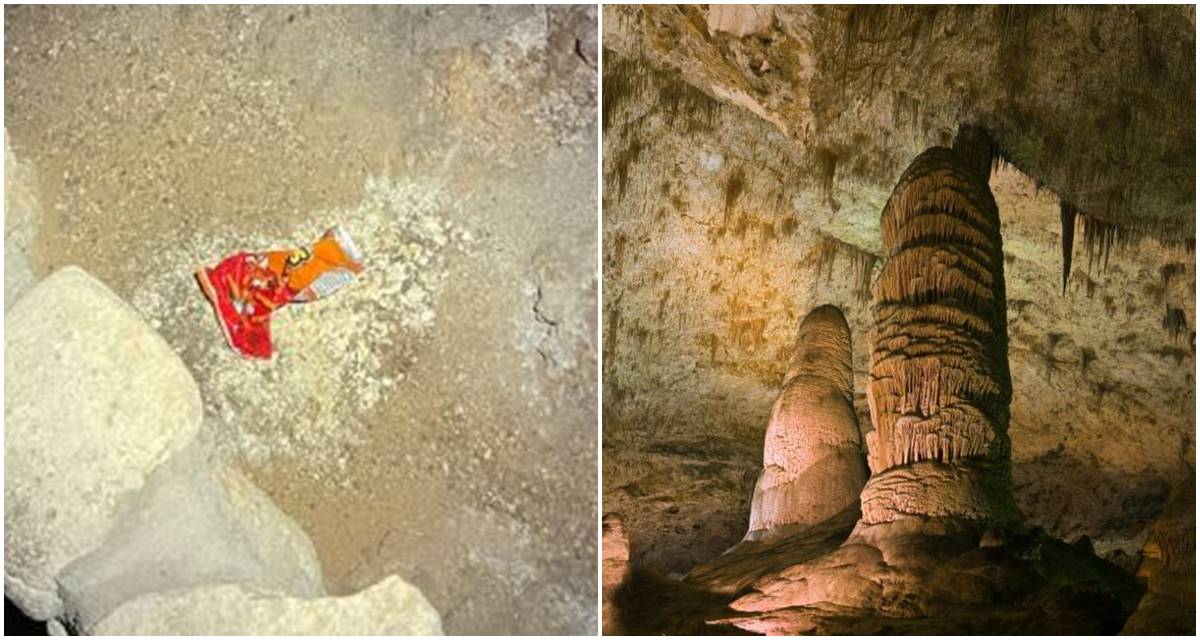 | ||
Somebody dropped a Cheetos bag in Carlsbad Caverns, and it was ‘world-changing’ for the ecosystem | ||
Refined corn has no place in a cave. | ||
By Tod Perry | ||
When we think about ecological and biological disruption, we tend to focus on the big picture: destroyed habitats, melting ice caps, and animal extinctions. So it’s easy to overlook how small actions can have an enormous impact on the natural world, often in ways we never notice. | ||
A great example happened in the summer of 2023 in Carlsbad Caverns National Park in Southeastern New Mexico near the Texas border, when a park visitor dropped a bag of Cheetos in a cave. The cave, known as The Big Room, is an expansive chamber filled with stalagmites and stalactites. | ||
|
 | ||
Motivation expert explains how two simple words can free you from taking things so personally | ||
You don’t need to take responsibility for everything and everyone. | ||
By Tod Perry | ||
Towards the end of The Beatles’ illustrious but brief career, Paul McCartney wrote Let it Be, a song about finding peace by letting events take their natural course. It was a sentiment that seemed to mirror the feeling of resignation the band had with its imminent demise. | ||
The bittersweet song has had an appeal that has lasted generations, and that may be because it reflects an essential psychological concept: the locus of control. “It’s about understanding where our influence ends and accepting that some things are beyond our control,” Jennifer Chappell Marsh, a marriage and family therapist, told The Huffington Post. “We can’t control others, so instead, we should focus on our own actions and responses.” | ||
|
Go Sox 🥹⚾❤️
 | ||
Gen Xers share 17 nostalgic dishes they ate growing up—and still make for dinner | ||
From sloppy joes to pizza bread, these dishes still slap. | ||
By Emily Shiffer | ||
Generation X (those born between 1965-1980) grew up eating classic Americana meals. During the 1970s, comfort meals like tuna casserole and salmon roquettes were popular meals. | ||
Gen X also grew up eating some pretty unhinged (but all the more yummy) sandwiches. These meals are steeped in childhood nostalgia. | ||
And to this day, Gen Xers are still fond of their favorite dishes they grew up eating. Together, they discussed on Reddit their most-loved home-cooked dishes that they still whip up, starting with sloppy joes. | ||
Here are 17 iconic Gen X comfort meals to keep in mind the next time you make dinner: | ||
|
An Upworthiest Poll
What is hardest for you to stop taking personally?
Last Week’s Results
In Friday's issue, we shared a clever taco-folding trick that promises to keep the fillings where they belong.
And we asked: What's your biggest taco-related frustration? Nearly 46% of you chose 'The shell breaks on the first bite.' Clearly, taco structural integrity remains one of our most pressing dinner-related challenges, but might I offer a radical solution? Try the soft tacos!
Everything falls out the bottom. (19.5%)
The shell breaks on the first bite. (45.9%)
The toppings refuse to stay put. (17.3%)
There are never enough tacos. (17.3%)
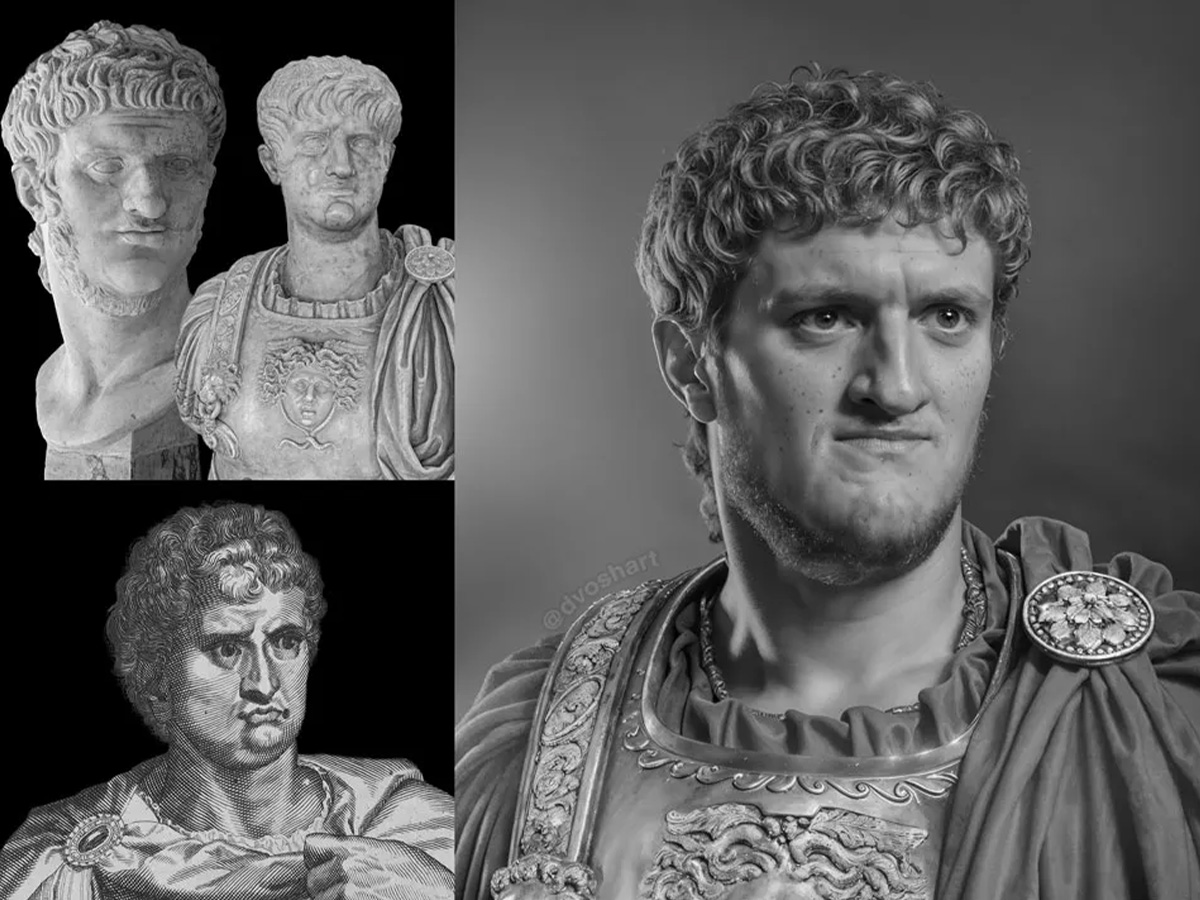 | ||
Nero busts from Capitoline Museums, Rome re-posed and digital interpretation by Daniel Voshart. | ||
An artist gave Roman emperors realistic faces and they look oddly like people you might know | ||
Daniel Voshart’s interpretations turn distant marble rulers into faces you’d encounter today. | ||
By Mark Wales | ||
Canadian designer Daniel Voshart brought ancient Roman emperors to life through realistic digital portraits. He used historical sculptures and other evidence as a foundation to recreate their faces with striking detail. Some of these emperors, who lived nearly 2,000 years ago, look like people you might encounter on your morning commute today. | ||
Voshart’s Roman Emperor Project began in 2020, when he started creating photorealistic digital interpretations of Roman rulers. The project grew to include 54 emperors of the Principate (27 BC to 285 AD), giving viewers a vivid interpretation of some of history’s most powerful faces behind these marble sculptures. | ||
|

