

Our brains are funny things. They can trap us in endless loops of worry, transport us back decades with the memory of a childhood dinner, or help someone see what generations of experts have missed. Emily Shiffer shares practical advice for quieting an overactive mind, Annie Reneau takes us on a nostalgic trip to the family dinner table, and Heather Wake introduces us to an unlikely historical detective.
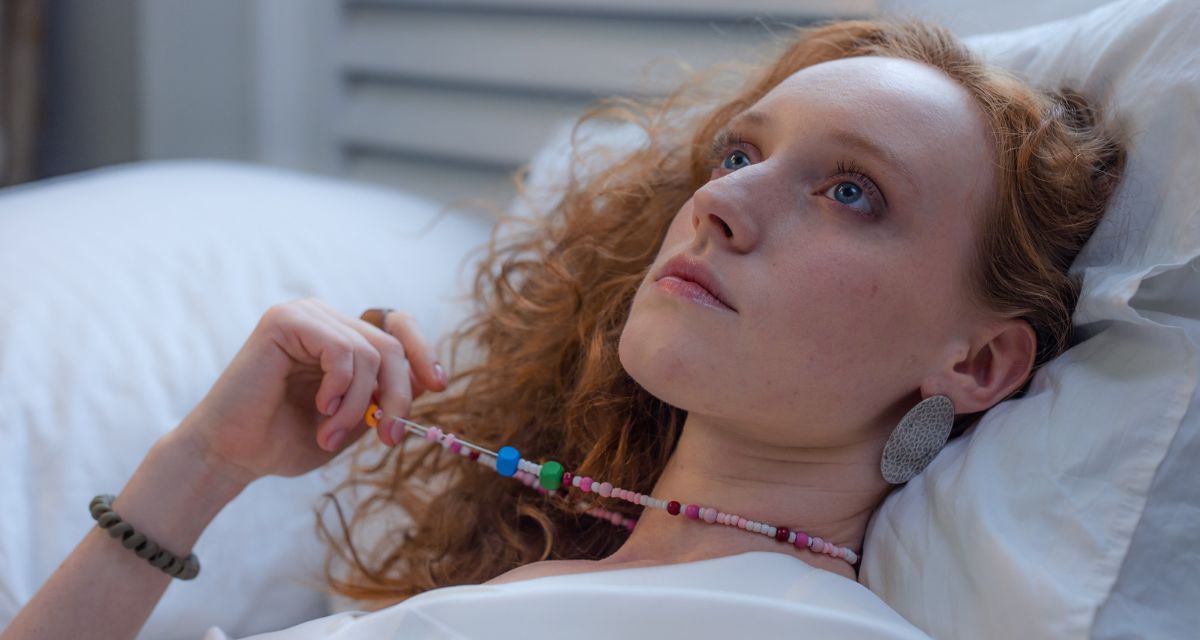 | ||
Therapist shares 4 easy ways to stop intrusive thoughts and overthinking before they get the best of you | ||
Emma McAdam, LMFT, breaks down the 4 types of overthinking: worry, intrusive thoughts, over-analyzing and rumination. | ||
By Emily Shiffer | ||
People with anxiety know the familiar feeling of being stuck in your head with worry and overthinking. These bouts of anxiety often come with intrusive thoughts, rumination, and overanalyzing. | ||
They can keep you feeling trapped. According to Emma McAdam, LMFT, a licensed marriage and family therapist and founder of Therapy in a Nutshell, the way to fix these thoughts is to retrain your brain. | ||
“Your brain secretly believes that overthinking is protecting you,” McAdam said. | ||
|

Tiffany (and her home “Cozie”) is finding so much joy laying down roots in Charleston, SC, where they have a beautiful garden and love to host the community.
For the past 50 years, @habitatforhumanity has been working to increase access to safe, affordable, and sustainable housing for the 1 in 3 people who wake up without an adequate home.
Learn more about how their programs open the door to brighter futures and how they’re helping make decent housing affordable for everyone.
Petition to join the acorn club!
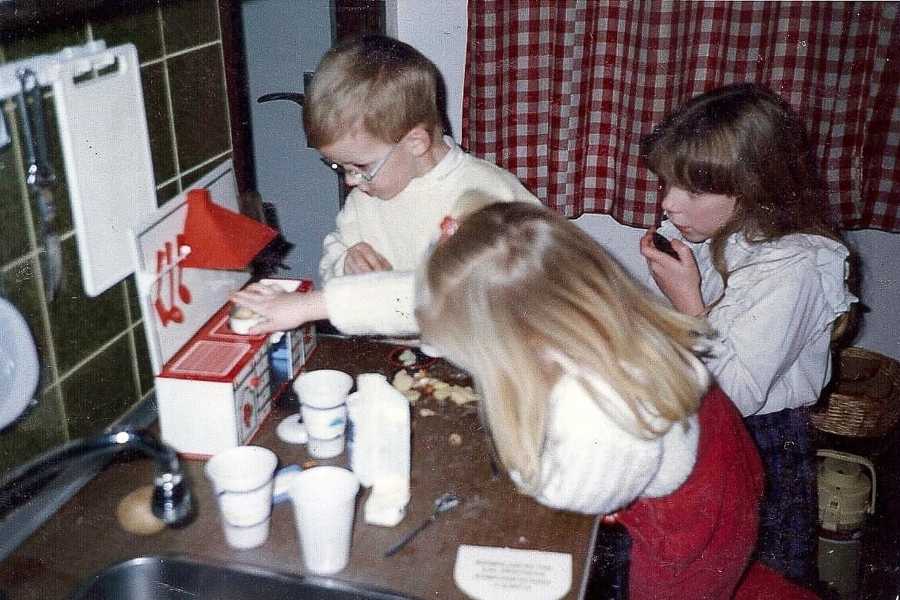 | ||
People born before 1970 share what they ate for dinner growing up, and it’s a blast from the past | ||
So much meatloaf and Shake ‘n Bake. | ||
By Annie Reneau | ||
“What’s for dinner?” has been asked by kids for millennia, probably, and the most common answers depend on both where and at what time in history it was asked. In ancient times, people were limited to what they could hunt or gather. Medieval recipes look different from what people ate in the 19th century. And what our grandparents ate when they were children was different from what our kids eat today. | ||
Obviously, people couldn’t DoorDash Chipotle in the ’70s, but when someone on Reddit asked people born before 1970 what they ate for dinner most weeks, there were some standard meals a lot of Americans clearly ate regularly growing up. Lots of meatloaf and beef stroganoff. Pork chops and chop suey. Convenient assistance from Shake ‘n Bake, Hamburger Helper and TV dinners, which Swanson popularized starting in 1954. Canned fruits and veggies. And so much Jell-O. | ||
|
An Upworthiest Quiz
What was a Roman "vomitorium" actually used for?
Yesterday's Results
In yesterday's issue, we shared a photographer's uncannily convincing dog-and-human lookalikes.
And we asked: Does your pet look or act like you? A leading 44.2% said they share a personality with their pet, even if the family resemblance stops there. Meanwhile, a third of you are watching all this pet-and-owner bonding from the sidelines.
We look suspiciously alike (4.1%)
Same personality, different species (44.2%)
We're complete opposites (18.4%)
I don't have a pet (33.3%)
 | ||
A hairstylist with no archaeology degree solved an ancient Roman mystery scholars got wrong for centuries | ||
She spent years recreating elaborate Roman hairstyles and discovered they were far more ingenious than scholars had realized. | ||
By Heather Wake | ||
For generations, scholars often assumed that the intricately braided, gravity-defying updos synonymous with Roman hairstyling were achieved with wigs. Then a professional hairdresser turned bona fide “hair archaeology” specialist proved them wrong. | ||
Baltimore-based Janet Stephens had been fascinated with hair her entire life. But in 2001, she became particularly interested in ancient hairdressing. | ||
|

